

Affection, courtship, and the expression of intimacy are undergoing a fascinating transformation across northern Ghana. In places like Tamale, the traditional boundaries of relationships are shifting as younger generations blend deeply rooted cultural values with modern expectations of partnership. Understanding how romance is changing here requires a closer look at the intersection of psychology, tradition, and personal choice. Human connection has always been a powerful motivational drive, but the ways in which people express that drive today reflect a rapidly evolving social landscape.
In psychological terms, romantic love is distinct from mere attachment; it represents a powerful motivational force characterized by idealization, strong emotional intensity, and a deep desire for partnership. Historically, courtship structures in northern communities were shaped heavily by communal oversight, extended family networks, and traditional marriage rites. Today, however, individualistic choices in selecting partners and defining what a close loving relationship looks like are becoming increasingly prominent. This shift does not mean that traditional values have been discarded; rather, they are being reinterpreted through a contemporary lens where emotional compatibility and personal aspiration play monumental roles.
The Changing Dynamics of Courtship Across Northern Communities
The transformation of romance is not confined to the urban center of Tamale alone. When examining the broader region, similar shifts in relationship dynamics are quietly taking place in surrounding districts and towns. For instance, in nearby Kumbungu, conversations around marriage and partnership increasingly emphasize mutual understanding and shared personal goals over purely arranged alliances. Similarly, residents in Nanton and Mion are noticing how mobile technology and wider social connectivity have altered how couples meet, communicate, and build foundational trust before taking formal steps toward a permanent future together.
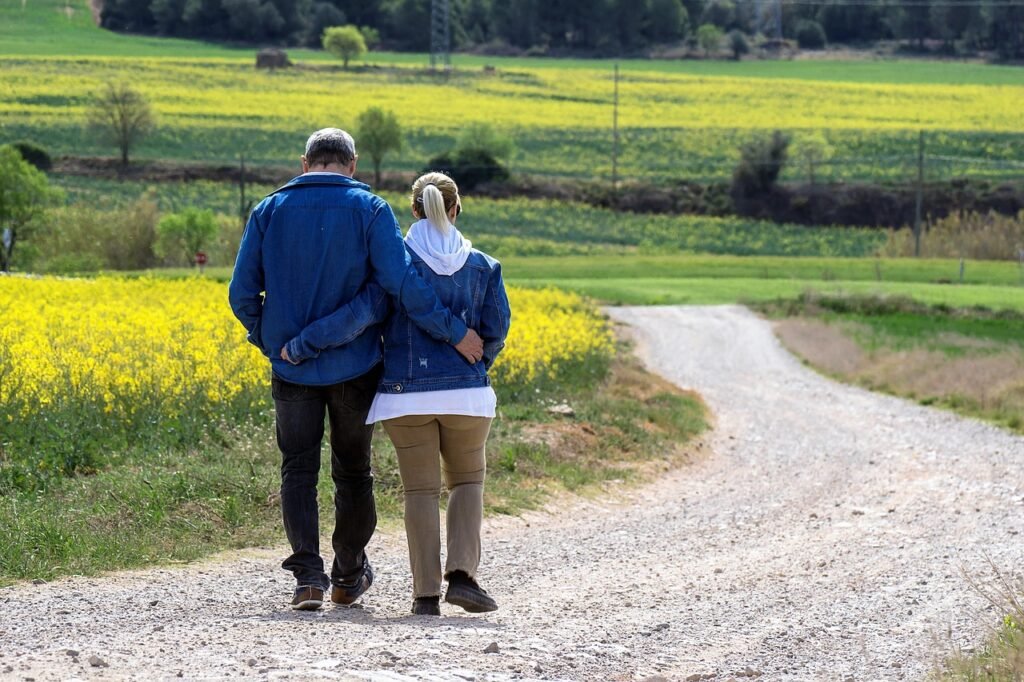
Further afield, communities such as Karaga and Gushegu display a unique blend of generational continuity and modern romantic ideals. In these areas, young adults navigate the delicate balance between honoring customary marriage expectations and pursuing relationships built on emotional resonance and individual choice. The Gushegu District itself provides a fascinating microcosm of how infrastructural improvements and educational advancements are giving youth more autonomy in shaping their love stories, moving away from rigid formulas toward more expressive forms of partnership.
Redefining Intimacy, Idealism, and Shared Experiences
Romantic love has always involved a degree of idealization—seeing a partner as possessing extraordinary qualities and allowing that connection to transcend everyday material hurdles. Yet, modern couples in the region are learning to ground these ideals in practical realities. Whether discussing future plans over a quiet evening in Bimbilla or exploring community events across the expansive Nanumba North territory, today’s partners place high value on shared experiences, open communication, and mutual emotional support.
Even in more rural or agrarian-leaning zones stretching toward Kpandai and the wider Kpandai District, the definition of a romantic gesture has expanded. It is no longer solely about grand, traditional gestures of chivalry, but increasingly about teamwork, shared ambitions, and navigating the complexities of modern life side by side. People are looking for relationships that offer both emotional sanctuary and personal growth, recognizing that true partnership requires overcoming daily challenges together rather than ignoring life’s flaws through pure idealism.
The Future of Affection in Tamale and Beyond
As Tamale continues to grow as a vibrant economic and cultural hub in northern Ghana, the evolution of romance will undoubtedly keep pace with broader societal changes. The tension between historical ideals of romance—often characterized by chivalry, intense emotional idealization, and poetic notions of devotion—and the pragmatic realities of modern life creates a dynamic space for relationships. Couples are crafting a new narrative where individual choice, deep affection, and mutual respect form the bedrock of lasting bonds.

Ultimately, the way romance is changing in Tamale and its neighboring districts highlights the adaptability of human connection. By blending the warmth of traditional community values with the freedom of modern emotional expression, residents are forging relationships that are resilient, authentic, and deeply meaningful. The modern love story in this part of Ghana is rich with potential, proving that while the definition of romance may continue to shift, the fundamental human desire for a close, loving relationship remains timeless.
Explore locally
Related guide: Exploring Romantic Connections and Close Loving Relationships in Tamale.
Related guide: Romantic in Ashaiman: How Good Communication Changes Everything.






No one commented yet. Be the first.