
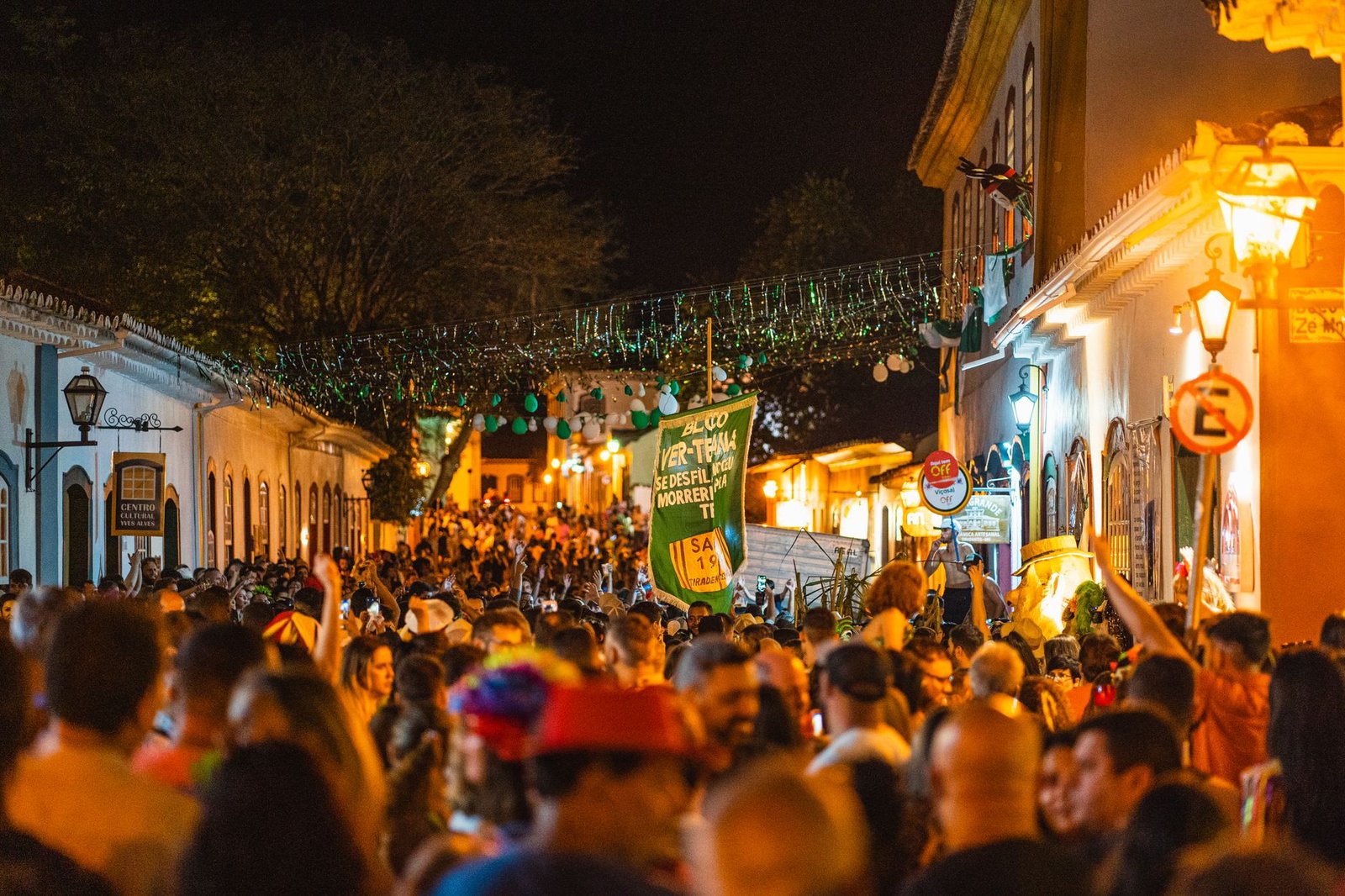
Lapaz, a bustling suburb just north of Accra’s city centre, has quietly become a crossroads for music lovers, nightlife enthusiasts, and cultural creators. Its streets pulse with the rhythm of local bands, street performers, and pop‑up events that reflect Ghana’s broader creative surge. Yet, as demand for quality entertainment grows, the community faces the classic challenge of turning spontaneous energy into a sustainable, well‑coordinated scene. This guide walks you through practical steps for planning ahead, ensuring that Lapaz remains a magnet for both residents and visitors while supporting the artists, venues, and businesses that power the local vibe.
Understanding the Local Landscape
Before any plan can succeed, you need a clear picture of what already exists. Lapaz’s entertainment ecosystem is a mosaic of small bars, open‑air stages, community centres, and informal gathering spots. Nearby neighbourhoods such as Accra Metropolitan, East Legon, and Ashaley Botwe each host their own micro‑scenes, ranging from upscale lounges to grassroots drum circles. These adjacent hubs influence Lapaz in two key ways:
- Audience flow: Patrons often travel between Lapaz and neighbouring districts for after‑hours drinks or weekend festivals, creating a natural spill‑over effect.
- Talent sharing: Musicians, DJs, and performers regularly book gigs across the corridor, meaning a coordinated calendar can reduce clashes and maximise exposure.
Mapping these connections helps planners spot gaps—perhaps a lack of family‑friendly venues near Airport Residential or a need for larger stages to accommodate the growing interest in live Afro‑beat shows.
Key Pillars of Effective Entertainment Planning
Successful entertainment planning rests on four inter‑linked pillars: venue strategy, programming diversity, infrastructure support, and community engagement.
1. Venue Strategy
Identify existing spaces that can be upgraded and pinpoint locations where new venues would add value. In Lapaz, the Community Cultural Centre on the main road already hosts weekly open‑mic nights, but its acoustic setup is modest. A modest investment in sound‑proofing and lighting could transform it into a mid‑size concert hall, attracting acts that currently bypass the area.
Meanwhile, the bustling market square near Haatso offers a perfect spot for pop‑up performances during festivals. By establishing a temporary stage and clear vendor zones, planners can create a vibrant weekend market that blends food, crafts, and music.
2. Programming Diversity
Variety keeps audiences returning. A balanced calendar should include:

- Live music nights featuring high‑energy Afro‑beat, highlife, and emerging hip‑hop talent.
- Film screenings and cultural talks that celebrate Ghanaian cinema and literature.
- Interactive workshops—dance classes, DJ tutorials, and drumming circles—that invite participation rather than passive consumption.
- Family‑oriented events, such as weekend karaoke or storytelling sessions, especially important for neighbourhoods like Abokobi where younger families reside.
Cross‑promoting these events with venues in Osu and East Legon can broaden reach and create a regional entertainment circuit.
3. Infrastructure Support
Even the best‑planned events falter without reliable infrastructure. Key considerations include:
- Transport links: Coordinate with local transport operators to ensure late‑night shuttle services from central hubs like Accra Metropolitan and Ablekuma North Municipal. Clear signage and safe pedestrian pathways encourage attendance.
- Power reliability: Partner with the Ghana Grid Company to secure backup generators for outdoor festivals, especially during the rainy season when outages are common.
- Safety and sanitation: Work with the local police precinct and health officials to provide first‑aid stations, crowd‑control barriers, and clean restroom facilities.
4. Community Engagement
Entertainment thrives when the community feels ownership. Establish a steering committee that includes local business owners, youth leaders from Ablekuma West Municipal, and representatives from cultural groups. Regular town‑hall meetings allow residents to voice preferences—whether they want more reggae nights, a weekly poetry slam, or a dedicated space for traditional dance troupes.
Involving schools from Airport Residential can also spark early interest. Student‑run art exhibitions or talent shows provide fresh content and nurture the next generation of performers.
Step‑by‑Step Planning Timeline
Turning ideas into reality requires a realistic timeline. Below is a twelve‑month roadmap that balances ambition with feasibility.
- Month 1–2: Research & Stakeholder Mapping
- Conduct surveys in Lapaz, Osu, and East Legon to gauge audience preferences.
- Compile a database of existing venues, equipment owners, and local artists.
- Month 3: Vision Workshop
- Host a half‑day planning session with the steering committee to define core objectives—e.g., increase weekend foot traffic by 20% or launch a quarterly cultural festival.
- Month 4–5: Funding & Partnerships
- Approach corporate sponsors, such as telecom firms or beverage brands, highlighting the economic boost of a vibrant entertainment district.
- Apply for municipal grants that support cultural development.
- Month 6: Infrastructure Upgrades
- Install temporary lighting rigs in the market square near Haatso.
- Upgrade sound systems at the Community Cultural Centre.
- Month 7–8: Programming Launch
- Roll out a pilot “Lapaz Live” series—four weekly events featuring a mix of music, comedy, and dance.
- Collect attendance data and feedback for iterative improvement.
- Month 9: Marketing Push
- Leverage social media, local radio, and flyers in Accra Metropolitan to promote upcoming headline acts.
- Partner with influencers from East Legon who regularly cover Ghanaian nightlife.
- Month 10–11: Seasonal Festival Planning
- Design a two‑day “Lapaz Culture Fest” that incorporates food stalls, craft markets, and a showcase of traditional Ghanaian performances.
- Coordinate with transport providers for shuttle services from Ashaley Botwe and Ablekuma Central Municipal.
- Month 12: Review & Scale
- Analyze ticket sales, vendor revenue, and community sentiment.
- Identify successful elements to replicate in neighbouring districts like Tem and Abokobi.
Following this timeline keeps momentum while allowing flexibility to adapt to unexpected opportunities—such as a surprise appearance by a national star or a sudden surge in tourist interest.
Marketing Strategies That Resonate Locally
Even the best‑planned events need a voice. In Lapaz, authenticity wins over flashy advertising. Here are proven tactics:
- Grassroots Social Campaigns: Use WhatsApp groups and community Facebook pages to share event flyers. Short video teasers featuring local artists generate buzz faster than generic posters.
- Collaborative Promotions: Pair a new bar opening in Osu with a live performance in Lapaz. Cross‑promotion encourages patrons to explore both locations.
- Local Media Partnerships: Secure weekly spots on radio stations that serve the Greater Accra Region. A 30‑second slot highlighting the “Friday Night Afro‑beat Bash” can reach commuters heading home from Airport Residential.
- Influencer Spotlights: Invite popular Ghanaian lifestyle bloggers to attend and review events. Their coverage often reaches audiences in East Legon and Ashaley Botwe who are eager for fresh weekend ideas.
Remember to embed clear calls‑to‑action—ticket links, RSVP forms, or simple “show up and enjoy” messages—so that interest translates into attendance.

Measuring Success and Adapting
Quantitative and qualitative metrics together paint a full picture. Track the following:
- Attendance Numbers: Use ticket scans or manual headcounts to gauge event size.
- Economic Impact: Survey vendors on sales uplift during event days.
- Social Media Engagement: Monitor likes, shares, and comments on event posts.
- Community Sentiment: Conduct post‑event focus groups with residents from Ablekuma West Municipal and Abokobi to capture feedback on noise, safety, and overall enjoyment.
Quarterly reports that combine these data points help the steering committee make informed decisions—whether that means expanding a popular jazz night or reallocating resources toward a new outdoor cinema series.
Future‑Proofing Lapaz’s Entertainment Hub
Ghana’s entertainment sector is evolving rapidly, with digital streaming, virtual reality experiences, and international collaborations reshaping expectations. Lapaz can stay ahead by embracing technology without losing its grassroots charm.
- Hybrid Events: Stream live performances on local platforms so fans in Accra Metropolitan or even abroad can join in real time.
- Mobile Ticketing: Adopt QR‑code tickets that reduce queue times and provide valuable attendance data.
- Creative Incubators: Set up a small co‑working space for music producers and visual artists, encouraging cross‑disciplinary projects that can later be showcased at community festivals.
By integrating these forward‑looking elements, Lapaz not only preserves its vibrant street‑level culture but also positions itself as a model for other Ghanaian suburbs seeking sustainable entertainment growth.
In summary, planning entertainment in Lapaz is a multi‑faceted endeavour that blends venue upgrades, diverse programming, solid infrastructure, and deep community involvement. With a clear timeline, targeted marketing, and ongoing measurement, the suburb can transform its spontaneous energy into a reliable, thriving cultural destination that benefits artists, businesses, and residents alike.
Explore locally






No one commented yet. Be the first.