
When we talk about understanding a place through practical involvement, the concept of experience takes on a very personal meaning. For anyone stepping into Mampong for the first time, or looking to deepen their appreciation of this vibrant part of the Ashanti Region, diving into local life requires more than just passing through. It involves open-ended observation, engaging with community rhythms, and appreciating how history, trade, and daily interactions shape the town. Much like how a traveler might seek out an immersive cultural workshop or a specialized indoor shooting range in larger global hubs to test new skills, discovering Mampong is about finding those authentic moments that turn a simple visit into a lasting memory.
Mampong occupies a unique geographical and cultural space. Sitting within the Ashanti Region, it serves as a bridge between bustling commercial epicenters and quieter agrarian lifestyles. To truly grasp what makes life here tick, one must look outward as well, recognizing how Mampong connects with surrounding districts like Afigya Kwabre North and Afigya Kwabre South to the west, or the sprawling markets of nearby Kumasi. Understanding these regional ties gives newcomers a richer context, proving that no town exists in a vacuum. Whether you are observing traditional craftsmanship, tasting local cuisine, or navigating the vibrant town center, every conscious event contributes to your overall familiarity with the area.
Navigating Daily Life and Cultural Rhythms in Mampong
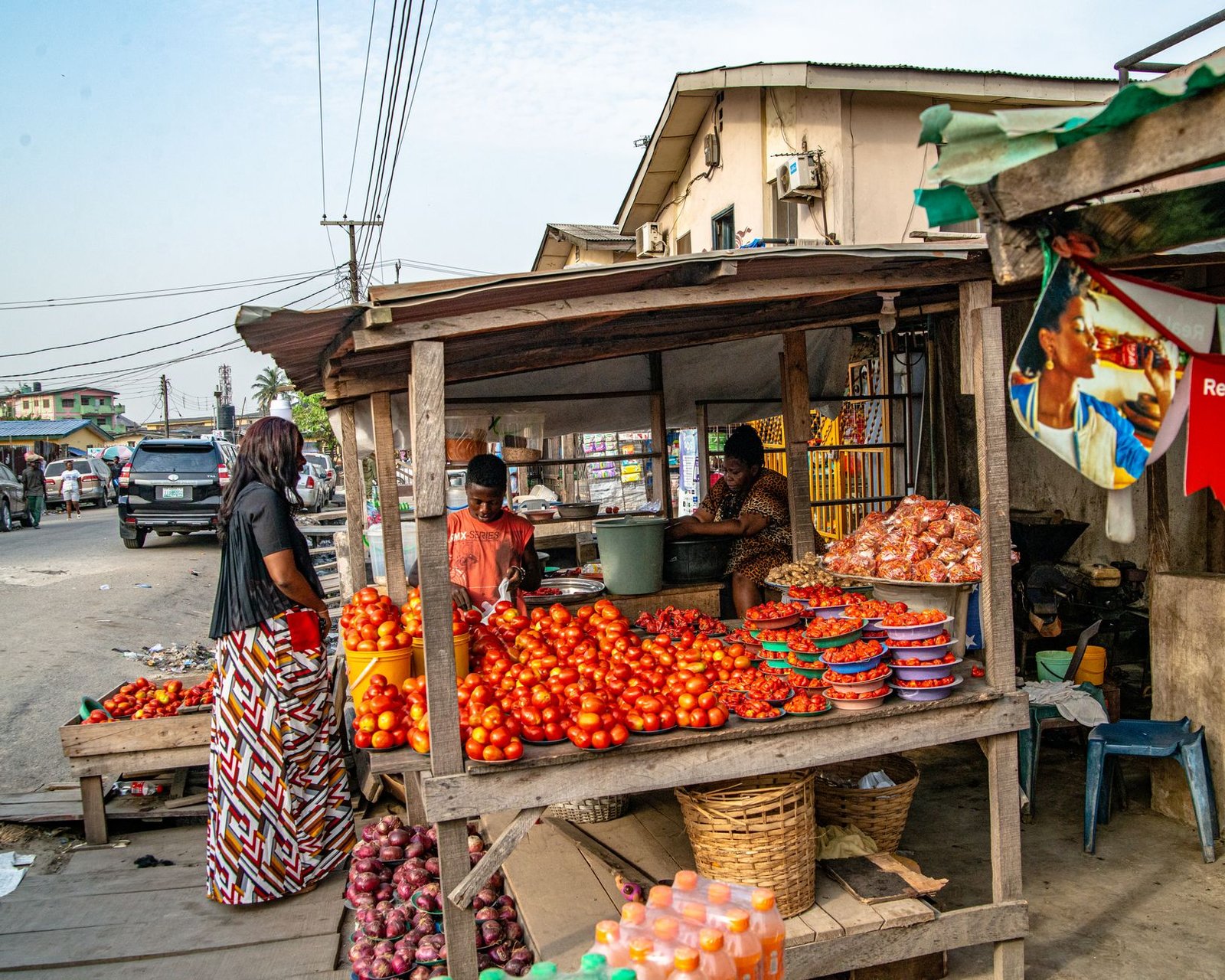
For a beginner, the best way to build practical knowledge is to lean into the everyday pace of the town. Unlike fast-paced metropolitan cities where tourists are often rushed through curated attractions, Mampong invites a slower, more observant approach. Mornings typically begin with the hum of local commerce, as traders set up their stalls, offering everything from fresh produce harvested from nearby farms to hand-woven textiles and household goods. If you travel slightly south toward areas like Adansi North or Adansi South, you notice similar agrarian patterns, but Mampong maintains its own distinct character defined by its educational history, traditional leadership, and welcoming community.

Engaging with this environment means paying attention to sensory details—the scent of roasting plantain and spices drifting from roadside kitchens, the sound of greetings exchanged in Twi, and the striking visual contrast of historical architecture mixed with modern market stalls. These conscious events form the bedrock of your personal familiarity with the town. Rather than relying on rigid guidebooks, visitors learn far more by striking up conversations with local artisans, market vendors, and community elders who carry the oral history of the district.
Expanding Your Horizons Across the Ashanti Region
While Mampong serves as a wonderful primary anchor, a comprehensive exploration of the wider region opens up incredible opportunities for day trips and cultural comparisons. Heading further down toward Agogo or exploring the trade routes connected to Obuasi reveals how diverse the Ashanti landscape truly is. Each town adds another layer to your travel log, showing how commerce, mining heritage, and agricultural traditions vary just a few miles down the road.
Similarly, travelers coming from or heading toward places like Ahafo Ano North Municipal, Ahafo Ano South East, or Ahafo Ano South West will notice subtle shifts in dialect, local specialties, and community gatherings. Even a trip toward Akomadan or Adansi Asokwa highlights the rich agricultural output that sustains these interconnected districts. By treating your journey as a continuous learning process—much like acquiring skill through hands-on practice—you begin to see how Mampong fits into the larger mosaic of central Ghana.
Tips for First-Time Visitors Seeking Authentic Engagement
If you are planning to spend meaningful time in Mampong, a few practical guidelines can elevate your journey from a standard sightseeing trip to a genuine cultural exchange. First, embrace spontaneity while respecting local customs. Greeting people respectfully before asking for directions or taking photographs is essential. Second, venture beyond the main commercial strips. Walking through residential neighborhoods or visiting local community centers often yields the most memorable interactions.
Finally, keep a journal or photographic record of your daily discoveries. Human perception gathers richness over time, and what might seem confusing or overwhelming on your first afternoon will soon transform into a familiar, welcoming routine. By immersing yourself fully in the sights, sounds, and rhythms of Mampong and its surrounding neighbors, you gain an authentic perspective that no brochure can ever replicate.






No one commented yet. Be the first.