

When discussing the changing landscape of identity, community resilience, and social evolution in the Eastern Region of Ghana, the focus often turns toward how local populations adapt to modern pressures. At the heart of this transformation is Akosombo, a town renowned for its hydroelectric legacy, which has experienced distinct social shifts over recent years. From rural development challenges to academic achievements and leadership recognition, the day-to-day reality of being female in this hydropower hub reflects broader societal transformations. While urban centers like Accra and bustling transit hubs such as Achimota or Adenta undergo rapid commercialization, Akosombo presents a unique case study where infrastructural shifts, environmental challenges, and community-led recovery intersect directly with women’s lived experiences.
Navigating Environmental Shocks and Community Recovery
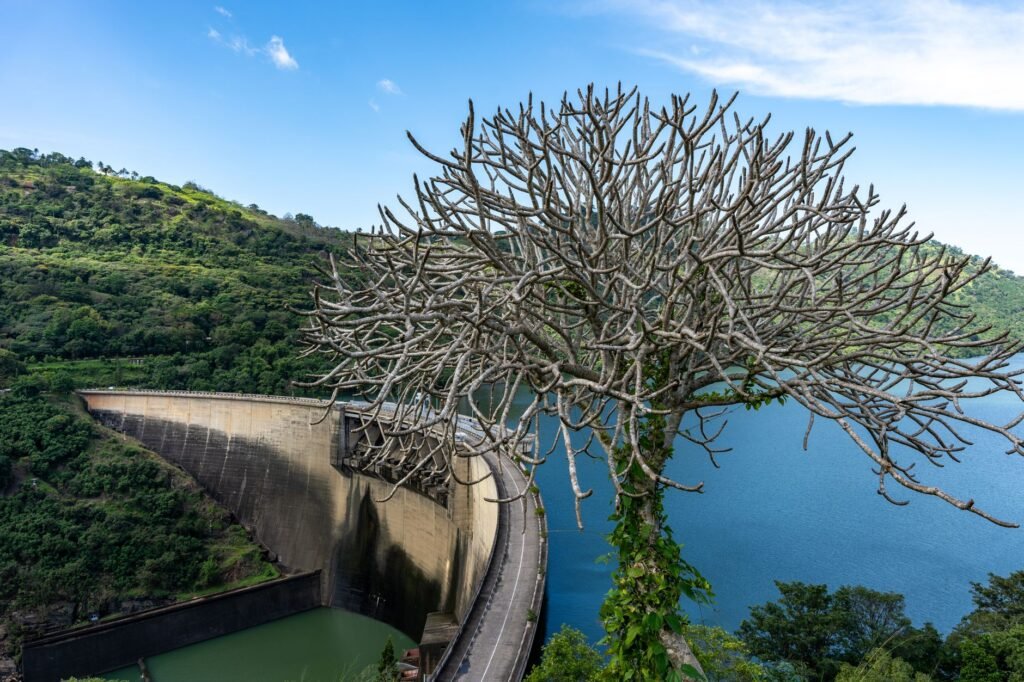
Life along the Volta basin requires constant adaptation, particularly when environmental crises test the limits of local infrastructure. Following significant hydrological events, such as the major Akosombo Dam spillage that affected surrounding riparian communities, the immediate human toll heavily impacted women and children. In areas like Awadzrwoe-Kome, displaced female residents faced severe hardships, temporarily seeking shelter under trees and grappling with basic survival needs. Local news archives and recovery reports highlighted how these disruptions laid bare systemic vulnerabilities, prompting urgent humanitarian responses from academic institutions and regional organizations. For instance, technical institutions such as Koforidua Technical University stepped in to provide targeted educational support, granting scholarships to female students whose families were displaced or economically derailed by the floods.
Beyond immediate shelter and education, crisis recovery in communities neighboring Akosombo—extending toward Amasaman, Dodowa, and Aburi—often highlights the specific privacy and security vulnerabilities that women face during mass displacement. Reports from safe havens following the dam spillage underscored the acute need for gender-sensitive disaster management, ensuring that privacy and dignity are preserved when families are forced from their homes. These moments of crisis, while devastating, have also catalyzed a stronger advocacy network. Grassroots organizers and local leaders have increasingly emphasized that disaster preparedness must explicitly account for the distinct safety and health requirements of women, shaping a more resilient framework for future emergency responses across the region.
Professional Advancement, Public Service, and Economic Integration
In parallel with infrastructural and environmental challenges, the professional landscape for women in the area is undergoing a notable evolution. National service deployments and regional administrative efforts have increasingly recognized the pivotal contributions of women in technical restoration, public administration, and security. Following major infrastructure recovery operations, leadership recommendations highlighted the critical role played by female National Service Scheme (NSS) personnel in power restoration and administrative logistics. By advocating for automatic employment or structured career pathways for these high-performing individuals, public officials have signaled a shift toward merit-based gender inclusion in technical sectors traditionally dominated by men.
This upward trajectory in professional recognition is not isolated to the immediate Volta enclave. Across surrounding commercial and residential nodes—ranging from the bustling markets of Ashaiman and Ashaley Botwe to the coastal stretches of Cape Coast and the historic streets of Agona Swedru—women are steering small-scale enterprises, educational initiatives, and public safety roles with distinction. A testament to this broader regional excellence was seen when high-ranking law enforcement officials, such as Chief Superintendent Doris Grant, were nationally recognized as top-tier police officers for exemplary leadership and operational dedication. These achievements resonate deeply with younger generations in towns like Dansoman and Bolgatanga, providing tangible proof that female leadership in public service and security is expanding rapidly across Ghana’s diverse municipal landscapes.
Biological Foundations and Social Realities of Female Identity
While local discussions often center on economic resilience and social restructuring, the concept of being female carries universal biological and anthropological definitions that ground these human experiences in science. In biological terms, an organism’s sex is designated as female when it produces the ovum, or egg cell, the specialized gamete that fuses with male sperm during sexual reproduction. In higher animals and mammalian species—including human beings—this biological framework is typically underpinned by a genetic architecture featuring two X chromosomes. During fetal development, sex differentiation is governed by complex genetic pathways, such as the absence of a functioning SRY gene on the sex chromosomes.

However, human identity extends far beyond cellular biology into a rich tapestry of social roles, cultural expectations, and psychological self-determination. From childhood, where young girls navigate educational systems, to adulthood, where women shoulder immense domestic, professional, and community responsibilities, the lived experience of being female is continuously reshaped by culture. In communities like Akosombo, this dual reality—balancing biological definitions with dynamic social roles—is vividly apparent. Women here are not merely defined by historical or biological classifications; they are active agents of change, driving educational reform, managing households through environmental crises, and stepping into leadership roles that redefine the modern municipal identity.
Looking Toward the Future of Regional Development
As Akosombo and its surrounding districts continue to chart a course toward sustainable development, the integration of gender-inclusive policies remains paramount. Whether examining the long-term recovery of families affected by riverine flooding, the expansion of vocational scholarships for young women, or the professional achievements of female public servants, the trajectory is clear. Sustainable progress relies heavily on dismantling barriers and ensuring equitable access to resources, education, and safety. By fostering environments where women can thrive professionally and personally, communities throughout the Eastern Region and beyond set a resilient benchmark for inclusive growth.






No one commented yet. Be the first.