

When exploring the vibrant cultural and socioeconomic landscape of Techiman, one cannot overlook the powerful influence, resilience, and contributions of women and girls across the municipality. From bustling local markets to educational institutions and leadership positions, females in Techiman play a foundational role in sustaining the community. Understanding the multifaceted lives of women here involves looking at historical milestones, educational achievements, professional milestones, and the wider geographic context of the Bono East region.
Techiman serves as a central commercial and cultural hub, drawing people from surrounding areas like Nkoranza, Kintampo, and Amantin. Across these interconnected districts, female residents drive grassroots commerce, agriculture, and community organizing. To truly appreciate the local narrative, it helps to explore how education, professional growth, and social empowerment intersect for women throughout the region, stretching from Atebubu down to Jema and beyond.
Educational Growth and Academic Milestones in Techiman
Education remains a vital stepping stone for empowerment. In recent years, local educational milestones have highlighted the growing academic engagement of young women in the area. For instance, the Techiman Municipality has seen encouraging trends, such as presenting increasing numbers of female candidates for national examinations like the WASSCE. This academic push reflects a broader regional commitment to ensuring that girls have equitable access to secondary and tertiary education.
This educational momentum is not confined to Techiman alone. Neighboring towns such as Nkoranza North and Kintampo South are likewise witnessing shifts in enrollment patterns, with more young women completing their secondary education and entering vocational training programs. Whether preparing for university entrance or specialized trades, these students build a strong foundation for future leadership. The ripple effects of these educational strides extend outward to communities like Busunya, Kwame Danso, and Kajaji, fostering a regional environment where female scholastic achievement is increasingly celebrated.
Breaking Barriers: Professional Achievements and Workforce Dynamics
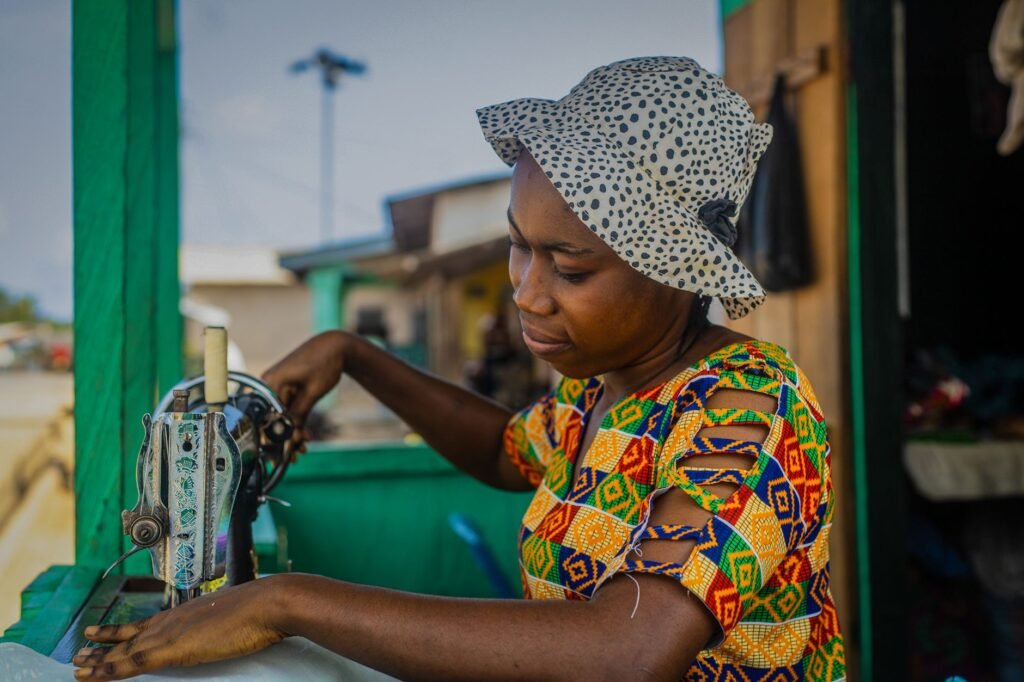
Beyond the classroom, women in Techiman and the surrounding Bono East districts are shattering traditional occupational barriers. While the local economy has historically relied heavily on agriculture and market trading—where women have always held commanding roles as distributors and traders—modern career paths are expanding rapidly. Women are stepping into fields traditionally dominated by men, proving their capabilities in technical, transportation, and administrative sectors.
Nationwide and regional inspirations often resonate deeply within local communities. Stories of pioneering Ghanaian women—such as trailblazing transport drivers, skilled electricians, and influential parliamentarians—inspire young girls in towns like Atebubu-Amanten and Jema to pursue non-traditional careers. Within Techiman itself, female entrepreneurs manage diverse enterprises, ranging from modern retail storefronts to large-scale agricultural distribution networks that feed markets across Ghana.
Regional Connectivity and the Broader Bono East Landscape
The daily lives of women in Techiman are deeply interconnected with the surrounding towns and transportation routes. As a major transit point, Techiman connects travelers and traders moving between Kintampo North in the north and Nkoranza in the south. Women frequently travel between these commercial nodes to buy and sell goods, managing complex supply chains that sustain families and local economies.
Consider the logistical web that binds the region together:
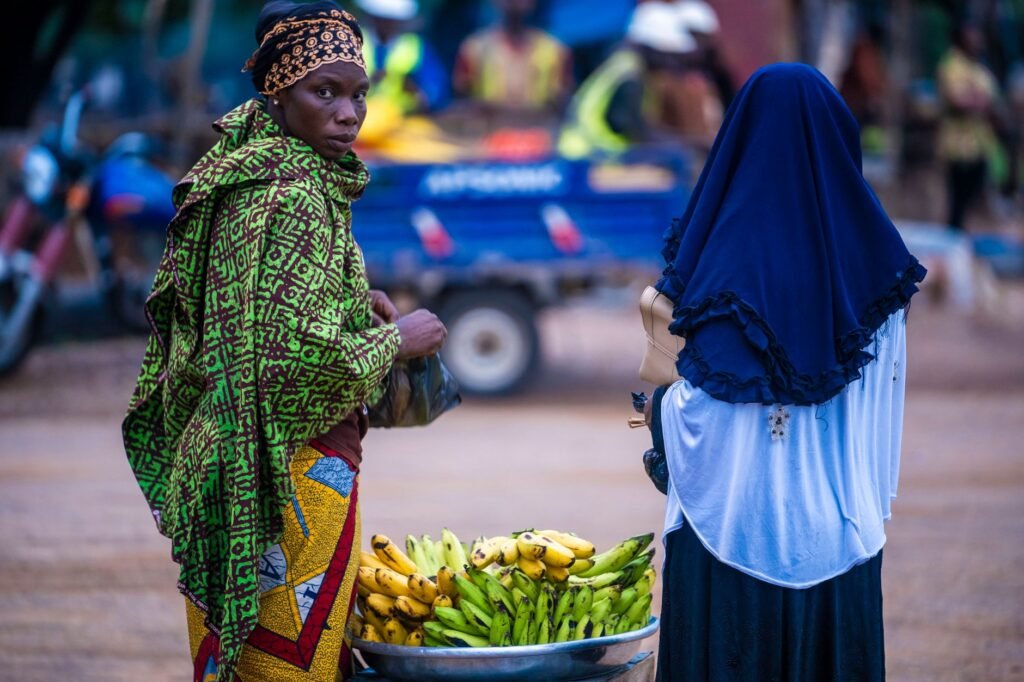
- Traders frequently move produce from farms near Amantin and Atebubu into the main Techiman markets.
- Commuters and business owners regularly travel along the highways linking Techiman, Kintampo, and Nkoranza.
- Educational and administrative networks connect institutions from Kwame Danso to Kajaji and Busunya.
Within this dynamic geographic web, female mobility, safety, and professional independence are paramount. Initiatives that prioritize passenger safety in long-distance transport and local commercial transit ensure that women can travel and conduct business securely across the entire region.
Looking Forward: Social Roles and Community Leadership
The social identity and cultural roles of women in Techiman continue to evolve. While biological and social definitions frame the broader human experience—encompassing everything from the foundational biology of the human female reproductive system to complex cultural gender roles—the local reality is defined by active participation. Women serve as community elders, educators, religious leaders, and political advocates.
On the political front, the growing presence of women in national governance—highlighted by dozens of female Members of Parliament taking office in recent election cycles—reflects a nationwide trend toward more inclusive representation. Local women’s groups and associations in Techiman echo this progress by advocating for better maternal health resources, business microloans, and youth mentorship programs.
Ultimately, the story of females in Techiman is one of strength, adaptation, and ongoing progress. By supporting educational equity, championing professional diversity, and honoring the daily contributions of women across Techiman, Nkoranza, Atebubu, and beyond, the community continues to build a more prosperous and inclusive future for all its residents.






No one commented yet. Be the first.