
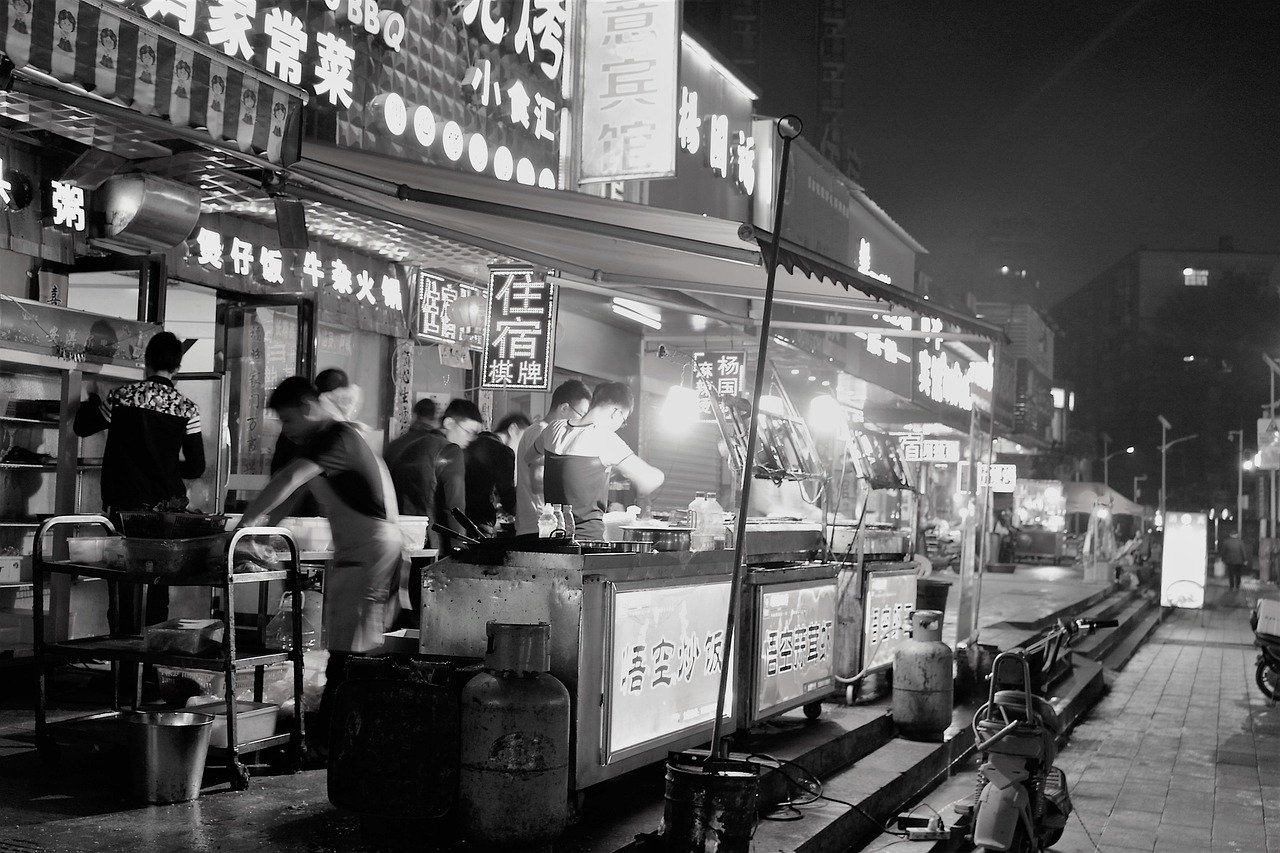
Kaneshie has always been a crossroads of Accra’s bustling daily rhythm, but after dark the suburb has quietly transformed into a micro‑cosm of Ghana’s broader nightlife renaissance. Where once the streets echoed mainly with the chatter of market traders and the occasional street‑food vendor, tonight the area pulses with a blend of sleek lounges, themed clubs, and pop‑up events that cater to both longtime locals and a new wave of young professionals. This shift reflects changes in music taste, technology, safety expectations, and the influence of neighbouring hotspots such as East Legon, Osu, and the Airport Residential Area.
A New Generation of Venues: From Traditional Spots to Trendy Lounges
For decades, Kaneshie’s after‑hours scene revolved around a handful of low‑key bars that served local brews and played highlife classics on aging sound systems. The arrival of contemporary concepts—most notably the spill‑over effect from Accra’s Blow Lounge Bar and Food Court—has sparked a wave of venue upgrades. Entrepreneurs are now repurposing former warehouses and open‑air markets into stylish spaces with LED lighting, curated cocktail menus, and high‑definition screens that stream everything from live DJ sets to international sports.
One notable trend is the rise of niche clubs that cater to specific audiences. A Christian night club model, highlighted in a recent personal account, has found a modest but enthusiastic following in Kaneshie, offering a family‑friendly environment while still delivering a dance‑floor experience. This reflects a broader desire for inclusive nightlife options that respect diverse cultural values without sacrificing fun.
Another innovative twist is the integration of sport into the club setting. Play Club Accra, originally known for its boxing‑themed nights, has inspired a satellite venue in Kaneshie that hosts weekly amateur bouts followed by DJ‑driven after‑parties. The combination of physical activity and music creates a unique social magnet, drawing fitness enthusiasts who might otherwise avoid conventional night‑out spots.
Tech, Safety, and the Digital Shift
Technology has become the silent backbone of Kaneshie’s nightlife overhaul. Mobile payment platforms such as Mobile Money and digital wallets are now standard at most bars, eliminating the need for cash and speeding up service. Ride‑hailing apps like Bolt and Uber have also reshaped how patrons travel home, reducing the reliance on informal taxis and improving overall safety.
Safety concerns, once a deterrent for many women and families, are being addressed through collaborative efforts between venue owners, local police, and community groups. Many establishments now employ trained security personnel, install CCTV systems, and maintain well‑lit entrances. In addition, a growing number of venues partner with local NGOs to run awareness campaigns on responsible drinking and consent, echoing the broader national conversation about safe nightlife environments.
Social media platforms serve as both marketing tools and real‑time feedback channels. Instagram stories, TikTok clips, and Facebook events allow club owners to announce theme nights, guest DJs, and special promotions instantly. Patrons, in turn, share their experiences, influencing the reputation of venues within minutes. This digital dialogue encourages owners to stay agile, constantly tweaking music genres, drink specials, and décor to meet evolving tastes.
Cultural Fusion and Music Trends
Music remains the heartbeat of any night‑out, and Kaneshie is no exception. While highlife and traditional Ghanaian rhythms still enjoy regular play, the surge of Afrobeats, trap, and Afro‑house has reshaped playlists across the suburb. The influence of prominent Ghanaian artists, such as the legendary Reggie Rockstone—who recently swept awards at the Accra Night Life Awards—has inspired local DJs to blend classic verses with contemporary beats, creating a soundscape that feels both nostalgic and forward‑looking.
Live performances have also diversified. Open‑mic nights now feature spoken‑word poets, up‑and‑coming singers, and even dance crews that fuse traditional steps with street‑style moves. These events often draw crowds from neighbouring districts like Ashaley Botwe and Ablekuma North Municipal, turning Kaneshie into a cultural hub that bridges suburban and urban audiences.
International influences are seeping in as well. Ghanaian expatriates returning from Europe or the United States bring back fresh ideas—such as the concept of “silent discos” where patrons wear wireless headphones—adding a novel twist to the local scene. A recent conversation with a Ghanaian bus driver who spent time in Vilnius highlighted how European nightlife’s emphasis on curated ambience and themed nights is gradually being mirrored in Kaneshie’s newer venues.
Neighbouring Areas as Catalysts: East Legon, Osu, and Beyond
Kaneshie’s transformation cannot be examined in isolation; it is part of a larger metropolitan ripple effect. East Legon, known for its upscale bars and boutique clubs, has long set the benchmark for high‑end nightlife. As residents of East Legon seek more affordable yet equally vibrant alternatives, many have turned to Kaneshie, prompting local entrepreneurs to raise their standards to meet these expectations.
Osu’s iconic beachfront promenade continues to attract tourists and locals alike, offering a lively mix of reggae, jazz, and Afro‑pop. The cross‑pollination of musical styles between Osu and Kaneshie has led to collaborative events, such as “Coast‑to‑Suburb” DJ battles that rotate venues between the two districts, fostering a sense of shared identity.
Meanwhile, the industrial‑turned‑creative hub of Tema has introduced a wave of electronic music festivals that often spill over into Kaneshie’s calendar. These festivals have encouraged local promoters to experiment with larger‑scale productions, including laser shows and immersive décor, previously reserved for the capital’s main venues.
Even the quieter residential zones—Airport Residential Area, Haatso, and Abokobi—are contributing to the nightlife ecosystem. Residents from these neighborhoods frequently commute to Kaneshie for its more relaxed vibe, and in response, some venues have introduced “family‑friendly evenings” that start earlier, offering a softer ambience for those who prefer a less intense atmosphere.
Future Outlook: What to Expect in the Next Five Years
Looking ahead, several trajectories appear likely to shape Kanushie’s nocturnal landscape. First, the continued integration of technology will probably bring more data‑driven experiences, such as personalized music recommendations based on app usage or AI‑curated playlists that adapt to crowd energy levels.
Second, sustainability is emerging as a priority. Venues are beginning to adopt eco‑friendly practices—reusable glassware, biodegradable straws, and energy‑efficient lighting—to appeal to environmentally conscious patrons. This shift mirrors a global trend and could become a distinguishing feature for Kaneshie’s nightlife brand.
Third, the rise of hybrid events—part physical, part virtual—may allow clubs to reach audiences beyond Accra’s borders. Live‑streamed DJ sets, virtual reality dance floors, and interactive online ticketing platforms could open new revenue streams while preserving the communal feel that defines Kaneshie’s nights.
Finally, community involvement will remain crucial. As the suburb continues to attract diverse crowds, maintaining a balance between excitement and safety will depend on ongoing dialogue between venue owners, local authorities, and residents. When managed thoughtfully, Kaneshie’s nightlife can serve as a model for other Ghanaian suburbs seeking to modernise without losing their unique cultural heartbeat.
In sum, Kaneshie’s night scene is no longer a peripheral afterthought but a dynamic, evolving tapestry that reflects Ghana’s broader cultural, technological, and social currents. Whether you’re a longtime resident, a curious visitor, or a budding entrepreneur, the suburb offers a fresh, inclusive, and increasingly sophisticated after‑dark experience that promises to keep the rhythm alive for years to come.






No one commented yet. Be the first.