
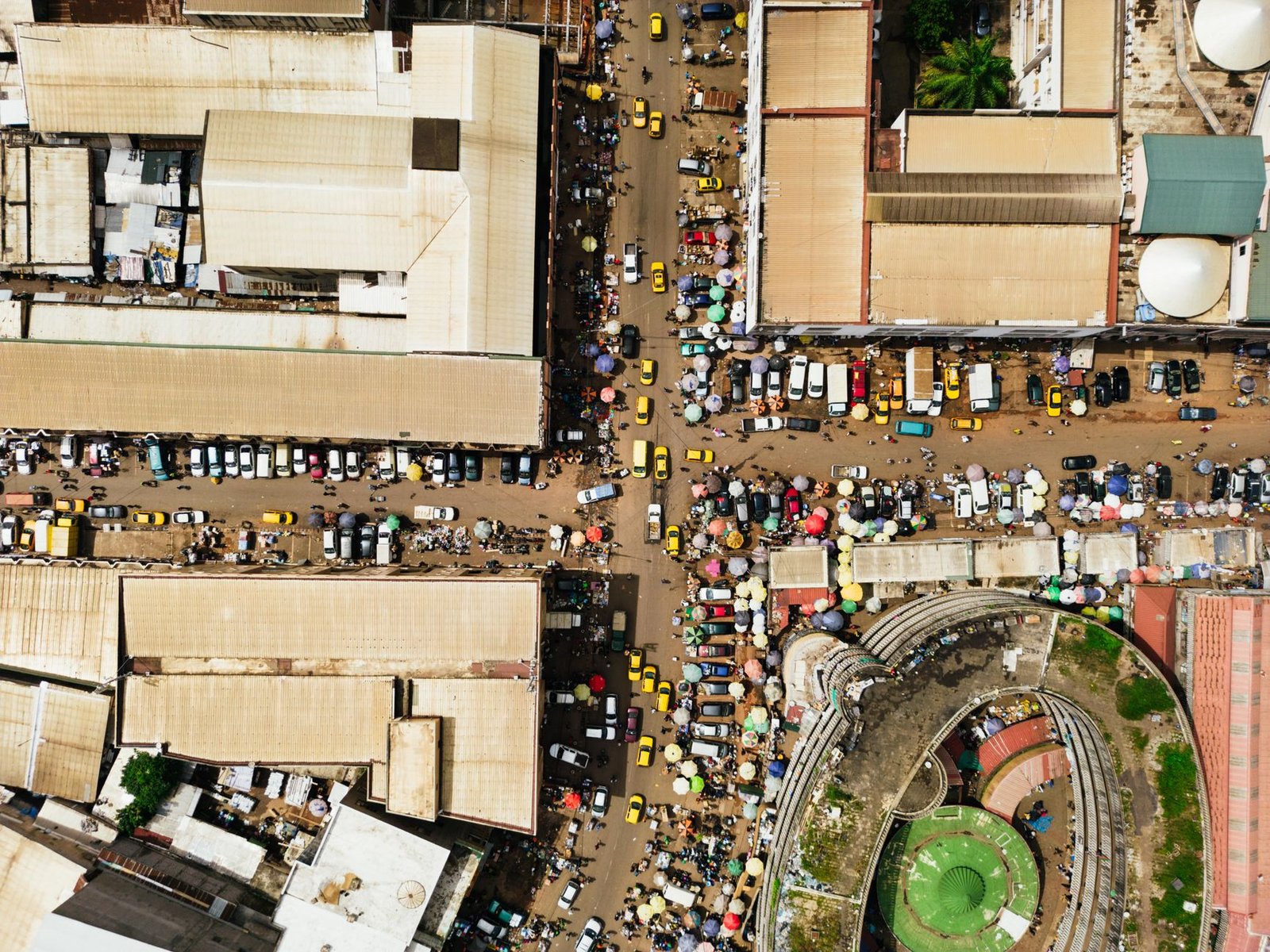
Urban life in Greater Accra has never stood still, and the ways in which people gather, organize, and unwind are undergoing a noticeable transformation. If you spend time walking through the bustling intersections of Madina, you can feel a shift in how community associations, social circles, and organized groups operate. A club is traditionally understood as an association of people united by a common interest or goal, who meet regularly and take part in shared activities. In Madina, this definition is expanding beyond traditional neighborhood associations into more dynamic, cause-driven, and socially engaged collectives that reflect the changing needs of modern urban residents.
Understanding this evolution requires looking at how local groups function today compared to past decades. Whether it is through service organizations, women’s empowerment networks, or civic initiatives, the modern club in Madina is less about passive social gathering and more about active participation, shared utility, and community building. This structural shift is reshaping how people connect in local markets, community centers, and neighborhood meeting spots.
From Informal Gatherings to Organized Social and Civic Action
For generations, the concept of a club in urban neighborhoods centered around informal friendships, age-group associations, or simple recreational meetups. People would gather to discuss local affairs, pool resources, or celebrate milestones. However, the contemporary landscape shows a clear pivot toward organized, impact-oriented engagement. A prime example of this change is visible in how civic and service groups operate within the municipality.
When organizations like the Jospong Ladies Club organize major community sanitation initiatives—such as comprehensive clean-up exercises at the Madina Market to mark occasions like International Women’s Day—they redefine what a club actually does. It is no longer just a private circle meeting behind closed doors; it is a visible, public-facing force for local betterment. Members come together with a common purpose, pooling their collective energy to tackle real-world urban challenges like waste management and environmental hygiene.
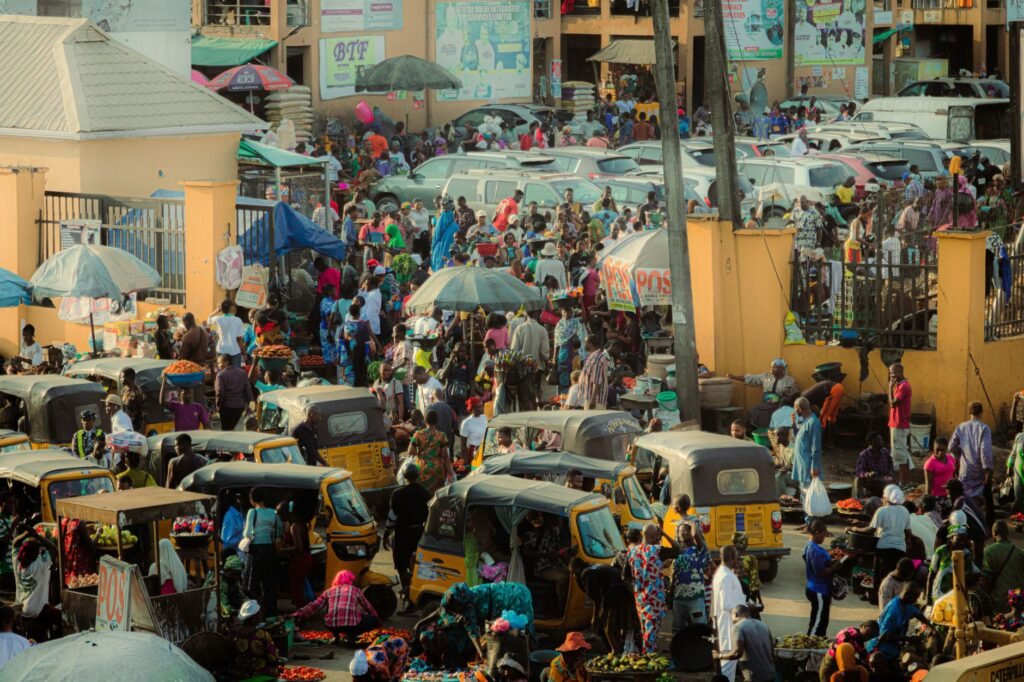
This structured approach to association has also influenced nearby urban hubs. Just down the road in East Legon, professional and social networks frequently organize around entrepreneurship, mentorship, and business development, mirroring the shift from purely leisure-based clubs to productivity-driven collectives. Similarly, residents commuting from Ashaley Botwe and Haatso often find themselves bridging neighborhood social groups with regional professional networks, expanding the traditional boundaries of what a local club can achieve.
Empowerment, Health, and Capacity Building in Local Communities
Another major driver of how clubs are changing in Madina is the rise of targeted capacity-building and wellness initiatives. Modern civic groups do not just meet regularly; they actively create programs that address socio-economic gaps. Organizations such as the Rotary Club of Accra-East have frequently spearheaded high-impact community programs in the surrounding sectors, ranging from vocational training boot camps that empower dozens of local women to large-scale public health campaigns focused on breast cancer awareness and free medical screenings.
These initiatives demonstrate a sophisticated evolution in grassroots organizing. Members of service clubs utilize their resources, external partnerships, and shared goals to deliver tangible benefits directly to residents. When a club takes on public health education or economic empowerment training, it transforms from a simple social club into an essential pillar of local infrastructure. This trend is mirrored in neighboring commercial centers like Osu and Airport Residential, where lifestyle and service associations frequently partner with corporate entities to fund community outreach.
As residents move fluidly between Madina and commercial districts like Accra proper or Tema, they bring these elevated expectations back to their home neighborhoods. People are increasingly looking for clubs and associations that offer a clear return on their time and emotional investment—whether through professional networking, skill acquisition, or meaningful charitable activities.
The Broader Regional Network: Connecting Madina to Greater Accra
The transformation of club culture in Madina does not happen in a vacuum. It is part of a broader metropolitan network that connects diverse urban zones across the capital. From the bustling residential tracts of the Ablekuma North Municipal and Ablekuma West Municipal districts to the fast-growing communities of Abokobi and Ablekuma Central Municipal, residents are redefining how they form alliances. Even historic hubs within the Accra Metropolitan area see constant cross-pollination of ideas between traditional Asafo-style groups and modern civic clubs.
In places like Tema, industrial and port-focused associations have long understood the value of structured organization. Now, Madina’s civic groups are adopting similar levels of organization, ensuring that their meetings have agendas, measurable goals, and sustainable community outcomes. Whether it is a youth sports social group organizing weekend tournaments or a women’s savings cooperative pooling resources to fund small businesses, the underlying mechanics remain the same: individuals recognizing that collective action achieves far more than isolation.
Conclusion: The Future of Association in Madina
The evolution of club life in Madina illustrates a broader truth about urban development in Ghana. As cities expand and lifestyles grow more complex, the ways people unite by common interest must adapt. The modern club is no longer confined to casual chats over a board game or simple recreational pastimes. Today, it is an organized vehicle for social change, economic empowerment, and public health awareness. By blending traditional community solidarity with structured civic action, clubs in Madina and its surrounding areas are setting a new standard for urban participation and mutual support.






No one commented yet. Be the first.