
When people speak about spending time in Ashaiman, perceptions often swing wildly between exaggerated tales of grit and the vibrant reality of everyday urban life. To truly understand what an encounter with this dynamic community feels like, one has to move past outdated stereotypes and look at how daily life, culture, and practical logistics actually function. Situated right on the vital corridors connecting the interior to the coast, Ashaiman is a place of immense hustle, deep community ties, and a unique rhythm that shapes everyone who passes through it. Whether you are navigating its bustling markets, tracing the journeys of notable figures who grew up on its streets, or simply trying to understand how urban infrastructure works here, separating myth from fact is essential.
For outsiders, the name Ashaiman often conjures sensationalized headlines or overly dramatic warnings. Yet, for the residents who live, trade, and build their lives there, the core of the local experience is rooted in resilience, commerce, and shared culture. Similar to vibrant hubs across the region—from the sprawling commercial lanes of Accra and the upscale neighborhoods of East Legon to the residential quiet of Ashaley Botwe—life here moves at a rapid pace. To appreciate what it means to spend time in this part of Greater Accra, we must examine how sensory perceptions, infrastructure realities, and local culture intersect.
Deconstructing the Myths: What Outsiders Get Wrong About Ashaiman
Reputation often precedes a location, and Ashaiman has long dealt with generalized narratives that fail to reflect its true character. Popular media and casual word-of-mouth sometimes paint the area with a broad brush, focusing exclusively on rough edges while ignoring the thriving entrepreneurial spirit and rich social fabric. In philosophical terms, human experience is built through direct sensory contact and active participation rather than secondhand rumors. When you visit or spend extended periods engaging with local traders, artisans, and families, a very different picture emerges—one of industriousness, warmth, and tight-knit community networks.
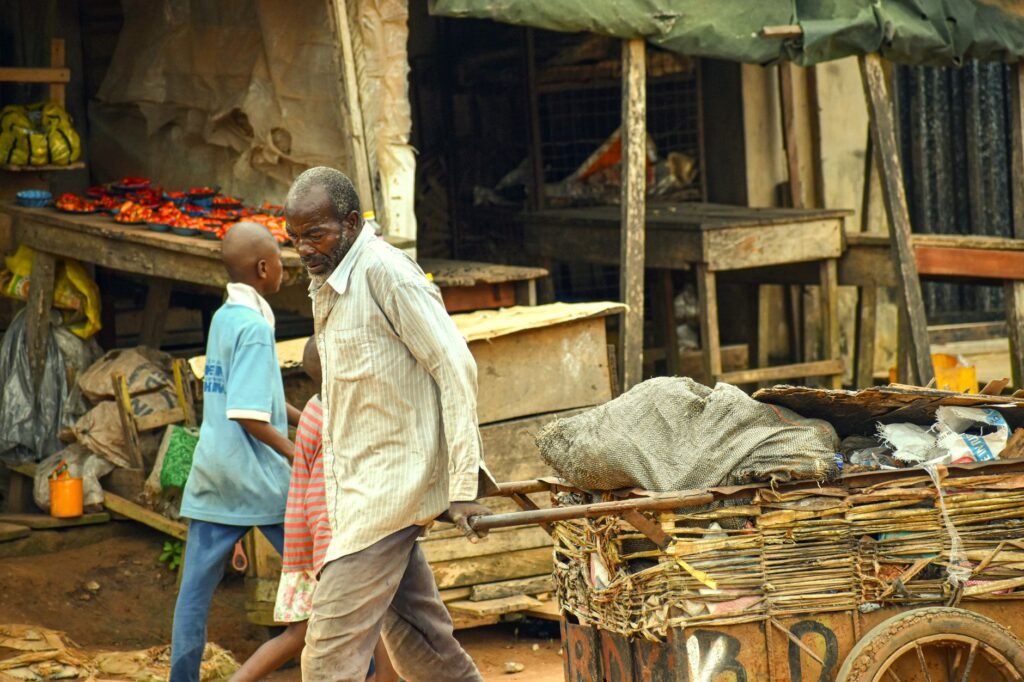
This dynamic does not exist in a vacuum. It shares a close geographical and cultural relationship with neighboring hubs such as Tema, Osu, and Airport Residential. Just as visitors moving from Haatso or Abokobi must adjust to the distinct pace of inner-city life, understanding Ashaiman requires shedding preconceived notions. The local culture is deeply shaped by migration, ambition, and a relentless drive to succeed. From here, young talents have launched remarkable journeys—such as celebrated international athletes who took their very first flights out into the wider world after growing up kicking footballs on dusty local pitches. These are the human stories that define the authentic local experience, far outweighing the superficial myths circulated by distant observers.
The Practical Realities: Navigating Daily Life and Infrastructure
Beyond cultural perceptions, experiencing any urban center honestly means confronting practical everyday realities. Infrastructure, municipal services, and transit corridors play a massive role in shaping how residents and visitors experience time and space. Anyone spending time in the area must be attuned to how public utilities and municipal schedules operate. For instance, planned utility maintenance—such as temporary power outages managed by grid operators or scheduled water supply adjustments affecting the broader coastal and eastern sectors—are occasional realities of metropolitan living. Residents often receive advance text notifications or public updates regarding grid repairs or highway maintenance along major arteries like the Accra-Tema motorway.
Navigating these logistical rhythms smoothly requires local awareness. Traffic flow disruptions, whether caused by infrastructure upgrades or routine road maintenance, can temporarily shift transit patterns across the wider municipality, impacting commuters traveling toward Accra Metropolitan or navigating through Ablekuma Central Municipal, Ablekuma North Municipal, and Ablekuma West Municipal. Knowing when to travel, keeping abreast of municipal announcements, and understanding the ebb and flow of regional transport networks ensure that your day-to-day engagement remains smooth and hassle-free.
Embracing the Local Rhythm: Practical Advice for Visitors
If you are planning to spend time exploring Ashaiman and its surrounding districts, approaching the environment with an open mind and practical awareness is key. The best way to learn any new environment is through direct, respectful immersion—engaging with local vendors, tasting regional cuisine, and respecting the pace of neighborhood life. Do not rush through your interactions; take the time to observe how community elders, business owners, and youth navigate their daily responsibilities with pride and creativity.
To make the most of your time, keep these practical tips in mind:
- Stay Informed on Logistics: Keep an eye on local news or digital alerts regarding road traffic updates or utility maintenance schedules, especially if you plan to commute between districts.
- Engage Respectfully: Direct participation and open dialogue dispel myths faster than anything else. Support local businesses and converse with residents to understand their true perspectives.
- Appreciate the Connectivity: Recognize that Ashaiman is part of a larger, interconnected metropolitan web that stretches from bustling commercial centers to quieter residential enclaves. Use this proximity to explore diverse facets of Greater urban life.
Ultimately, the experience of Ashaiman is what you make of it. By looking past sensationalized stereotypes and grounding your understanding in factual realities, cultural appreciation, and practical preparedness, you unlock a genuine, multifaceted view of one of the region’s most energetic communities.
Explore locally






No one commented yet. Be the first.