
Why Klikor Needs a Slower, More Considerate Approach
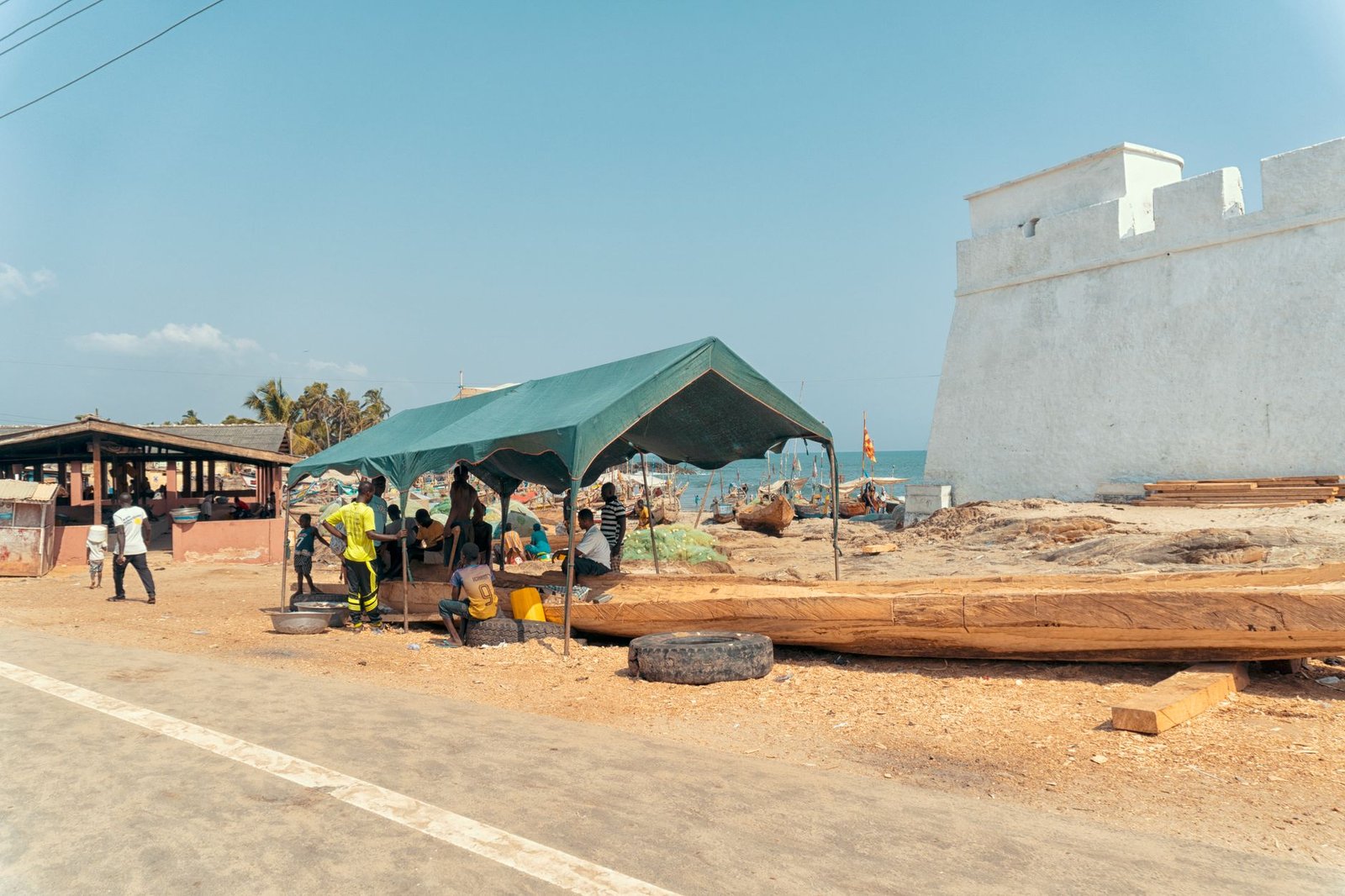
Klikor is a small, close-knit town in the Volta Region where most people know their neighbours and word travels quickly. That character shapes how a first-time visitor should approach the idea of searching for a companion. This is not Accra or even a busy regional hub like Ho — it is the kind of place where discretion is not a buzzword but a practical courtesy, both to yourself and to the person you might contact.
The good news is that browsing a reputable directory is a quiet, private activity. You are not walking into a bar and announcing your intentions. You are reading listings, comparing them and deciding whether to make contact. This guide walks you through that process step by step, with an emphasis on consent, clean communication and avoiding the scams that flourish wherever people feel rushed or shy.
If you are based in Klikor and want a wider sense of what the region offers before narrowing your search, the Volta Region profiles and locations hub is a sensible starting point. It gives you a feel for how listings are organised without pushing you toward any single choice.
Step One: Understand What a Directory Actually Is
A companion directory is an advertising platform. Profiles are placed by independent individuals or, in some cases, by agencies. The directory itself does not employ the people listed, does not set their rates and does not guarantee that every profile you see will respond. Understanding this from the outset prevents a lot of frustration.
What a directory can do well is help you filter. You can usually search by region or town, read a short description, see whether a profile has been recently updated and get a sense of the tone someone sets in their own words. What it cannot do is replace your own judgement. A polished profile is not a guarantee of a good experience, and a modest one is not a warning sign.
In a town the size of Klikor, you may find that the closest listings sit in slightly larger settlements nearby. Places such as Akatsi, Dzodze, Aflao and Denu are all within reasonable reach, and Anloga and Adidome sit along familiar routes. Abor, Adaklu Waya, Battor and Aveyime round out the wider Volta neighbourhood. Treating the region as one connected map — rather than fixating on a single postcode — is far more realistic.
Reading between the lines of a listing
Look for profiles that describe preferences, boundaries and the kind of meet-up they are comfortable with. Someone who writes clearly about what they do and do not offer is usually easier to deal with than someone who leaves everything vague. Vague profiles are not necessarily dishonest, but they do shift all the work of negotiation onto you, and that is where misunderstandings begin.

Step Two: Check the Details Before You Get Excited
First-time users often skim. Slow down. A few minutes of reading saves hours of awkward messaging.
- Location wording. Does the profile say where the person is based, or only where they are willing to travel? These are different things.
- Availability. Are there hints that the profile is current — recent photos, a note about the week ahead — or does it read like something left untouched for a long time?
- Tone. Does the description feel like a person wrote it, or like a template copied and pasted across a dozen towns?
- Contact method. Is there a clear, single way to get in touch, or a scatter of half-finished options?
- Boundaries. Does the person state limits, or does the listing imply that anything goes?
If you want to see how a straightforward, well-written profile presents itself, this current Big Time Ghana profile is a useful reference point. You are not being pushed to contact anyone; you are simply learning what a clear listing looks like so you can judge others against it.
Step Three: Make First Contact Like an Adult
Your opening message sets the tone for everything that follows. Keep it short, polite and specific. Introduce yourself in one line, say which profile you are responding to and ask a single clear question — usually whether they are available on a particular day or in a particular area.
Do not send paragraphs about your life. Do not send a list of demands. Do not open with explicit language or photographs. In a small-town context, a crude or pushy first message is exactly the kind of thing that gets screenshotted and shared, and it will end the conversation before it begins.
A good template looks something like this: “Hello, I saw your listing and I’m based in Klikor. Are you available this weekend, and do you travel to this side? Happy to discuss details if so.” That is respectful, clear and leaves room for a simple yes or no.
What not to do on first contact
- Do not ask for free photos or a video call before any arrangement is agreed.
- Do not ask personal questions about family, real name or exact home address.
- Do not negotiate aggressively in the first message. Rates are usually fixed; haggling can come later and gently, if at all.
- Do not send money before you have a confirmed, clear agreement.
The etiquette that works in Akatsi works just as well in Klikor, and there is a fuller breakdown in this guide to booking etiquette, clear communication and boundaries if you want to go deeper.
Step Four: Set Boundaries Before You Meet
Boundaries are not awkward formalities; they are the thing that makes an encounter comfortable for both people. Before any meeting, you should have a shared understanding of four things: what the arrangement is, how long it will last, where it will happen and what the financial side looks like.
Say these things out loud in the chat, in plain language. If someone is vague or evasive about any of them, that is information. It is entirely acceptable to slow down or step away. Consent is not a single moment at the start; it is an ongoing agreement, and either person can withdraw it at any point.
Discretion matters here too. Klikor is small. Choose a meeting place that respects the other person’s privacy as much as your own — a reputable hotel or a discreet private setting rather than somewhere you are both likely to be recognised and gossiped about. If you are exploring the region more broadly, the ideas in this guide to tasteful evening discovery in the Volta Region translate well to a first meeting.
Step Five: Handle Payment Sensibly
Payment is the area where first-timers most often get hurt. The core rule is simple: never send money to someone you have not met, and never send more than you would be comfortable losing.
Scams follow predictable patterns. Someone asks for a deposit via mobile money before any meeting is confirmed. Someone claims an emergency and needs funds urgently. Someone sends a photo that does not match the profile and asks for payment anyway. Someone insists on a gift card. If any of these appear, stop.
Cash, agreed in advance and handed over in person, is the safest default. If a deposit is genuinely required, keep it small and only proceed once you have had a clear, consistent conversation. Screenshot the agreement. Keep the record. A legitimate person will not be offended by ordinary caution.
Red flags to memorise
- Pressure to pay within minutes of first contact.
- Requests for payment outside the agreed method at the last moment.
- Stories that change each time you ask a question.
- Reluctance to confirm a public, sensible meeting point.
- Any attempt to make you feel rushed or guilty for asking questions.
None of these are unique to Klikor. They are simply the standard warning signs, and they are easier to spot when you have already decided your limits in advance.
Step Six: Keep It Respectful, and Keep It Quiet
The final step is the one that matters long after the meeting ends. Be polite. Arrive when you said you would. Pay what you agreed. Leave when the arrangement ends. Do not push for more than was discussed, and do not treat a companion as an object simply because money changed hands.
Discretion runs both ways. Do not discuss the person you met with friends, do not post about it online and do not assume familiarity afterwards. In a place like Klikor, that restraint protects everyone — including you.
If you are still building your confidence before making contact, browsing is free and private. You can explore more of the region through the Volta Region hub, compare how different people present themselves and take your time. There is no prize for moving fast, and no penalty for deciding that today is not the day.
A Final Word for First-Timers in Klikor
Finding a companion in Klikor is not complicated, but it does reward patience. Use a directory as a browsing tool rather than a promise. Read profiles properly. Make first contact like a polite adult. Agree boundaries in advance. Keep payments small, in person and traceable. And treat the whole encounter as a two-way arrangement built on consent and discretion.
Do those things and you will avoid almost every problem that first-timers run into. Ignore them and the small-town setting will amplify any mistake. The choice, as always, is yours.






No one commented yet. Be the first.