
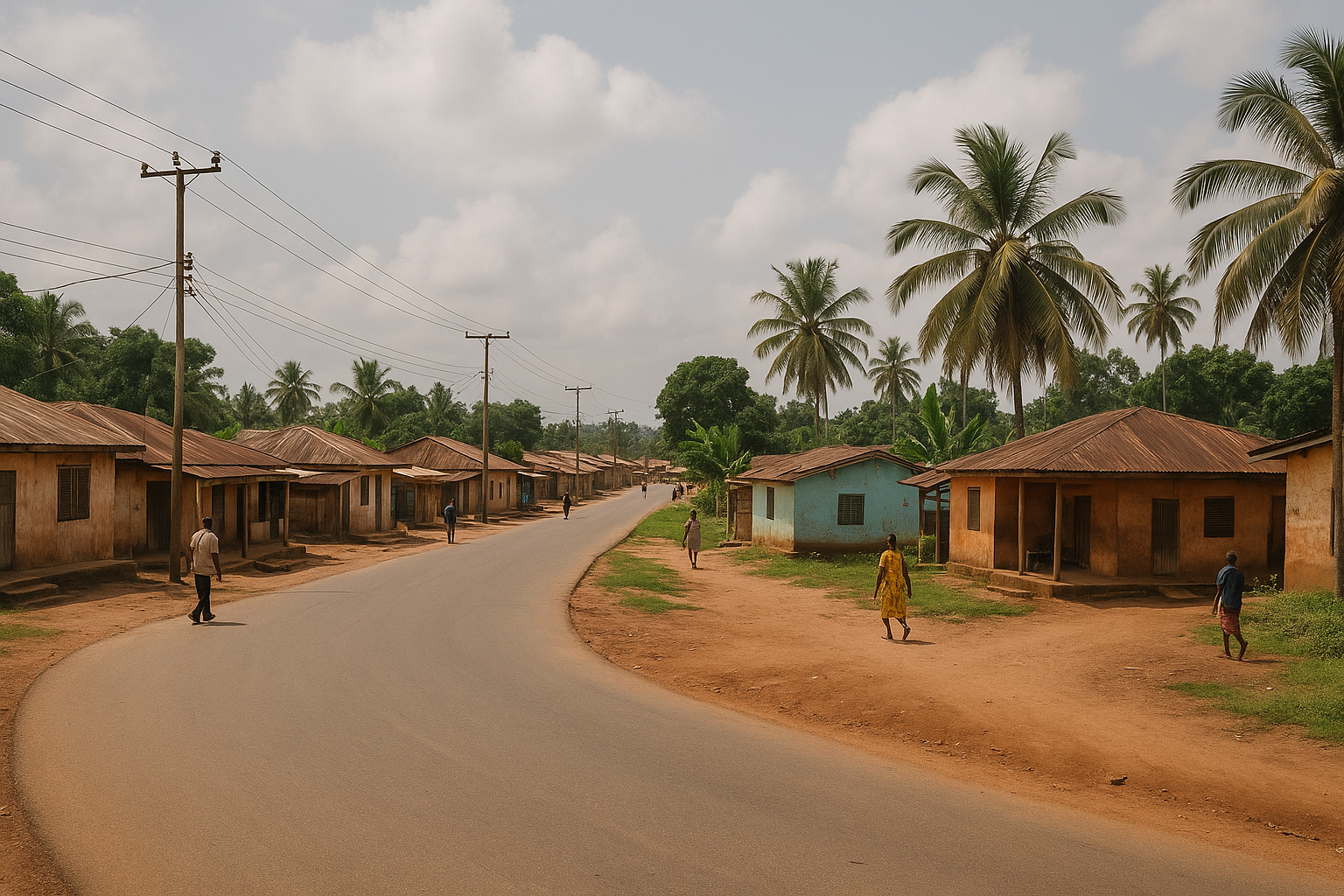
Mim is a town in Ghana’s Ahafo Region and a useful base for visitors who want to experience everyday life away from the country’s largest cities. For a first visit, the most important preparations are practical: understand how local movement works, allow extra time for journeys, arrange a reliable way to contact people, and ask for directions with patience.
Services and transport options can change during the day, at weekends, or during busy periods. Rather than relying on an unverified online listing, confirm details locally before setting out. A short conversation with your accommodation host, a shopkeeper, a driver, or another trusted resident can often prevent a long wrong turn.
Planning your arrival in Mim
Before travelling to Mim, save the address and telephone number of your accommodation in more than one place. Keep an offline note or screenshot with the name of the property, the name of the town, and a nearby landmark. Digital map pins may not always be precise, and a driver may know a location by a landmark or neighbourhood name rather than by a formal street address.
If you are arriving from another part of Ghana, check your route and departure point on the day of travel. Bus and shared-vehicle schedules can be flexible, and the vehicle you need may leave when it is sufficiently full rather than at a strictly advertised time. Ask whether you are travelling directly to Mim or changing vehicles in another town.
Daylight arrival is generally easier for a first-time visitor. It gives you more time to identify your accommodation, buy essential items, find a mobile-money agent, and ask about transport for the following day. If you must arrive later, arrange a pickup in advance and confirm the meeting point by phone.
Getting around Mim
Shared vehicles and taxis
In towns across Ghana, shared taxis and other locally operated vehicles are common ways to make short journeys. Some taxis may carry more than one passenger and may follow a familiar route before dropping people off. The exact arrangements in Mim can vary, so ask the driver whether the vehicle is private or shared, where it is going, and where you should get off.
For a private journey, agree the fare before departure. If the trip involves waiting, several stops, luggage, or a route outside the town, clarify whether those details affect the price. Carry smaller notes where possible, as drivers may not always have change. Fares are not fixed across every journey, and local conditions can influence them, so treat a current price confirmed locally as more reliable than an old travel post.
Walking and short trips
Walking may be practical for nearby errands, particularly during daylight, but do not assume that every route shown on a map is paved, well lit, or easy to follow. Ask about the condition of the road after rain and whether a route is suitable on foot. Wear comfortable footwear, keep valuables discreet, and take water when travelling in warm conditions.
For longer local journeys, ask your host or a trusted resident which transport point serves your destination. Using a named landmark can be more useful than giving an unfamiliar street name. Repeat the destination to the driver before setting off and, if possible, keep the location written down on your phone.
Motorcycles and changing road conditions
Motorcycles may be available for some local trips, but availability, safety standards, and passenger arrangements can differ. If you choose this option, ask about the fare first and use a helmet where one is provided and required. Keep bags secure and avoid travelling with more luggage than you can safely manage.
Road conditions can change with weather, roadworks, traffic, and agricultural activity. Build a time buffer into any appointment outside Mim, especially if you have a connection to catch. Avoid planning two important commitments too closely together.
How to confirm directions without frustration
When asking for directions, begin with the destination’s name and add a landmark, organisation, or nearby settlement if you know one. Instead of asking only, “Is it far?”, ask how long the journey usually takes by taxi or on foot, which transport point to use, and what you should look for when you arrive.
- Write down the destination as well as saying it aloud.
- Ask whether there is more than one place with a similar name.
- Confirm the direction again with the driver before leaving.
- Call your host if the driver seems unsure of the final location.
- Save a trusted contact’s number before travelling beyond the town centre.
Different people may describe the same place using a landmark, a community name, or a nearby road. This is normal in places where formal addresses are not the main way residents navigate. Asking a second person politely is sensible, not disrespectful.
Mobile connectivity and staying in touch
Prepare before you arrive
Mobile coverage and data performance can vary between networks and locations, including inside buildings and outside the main built-up area. If you depend on your phone for maps, translation, banking, or work, download essential information before leaving a larger town or your accommodation.
Useful preparations include:
- Downloading an offline map of Mim and the wider area you expect to visit.
- Saving accommodation details, transport contacts, and meeting points offline.
- Charging your phone fully and carrying a power bank for longer trips.
- Keeping a small written note of important telephone numbers.
- Downloading any documents or tickets that you may need without internet access.
SIM cards, data, and mobile money
Visitors who need a Ghanaian number should buy a SIM or eSIM through an authorised provider or official sales channel and follow the current identification and registration requirements. Bring the identification documents requested by the provider. Do not rely on an informal seller to complete registration correctly.
Ask a local contact which network performs best for the places you will visit, but remember that a network that works well in one part of Mim may be less reliable farther away. If you use mobile data, check the bundle, expiry date, and balance. Top-up and data options change, so confirm the current details through the provider’s official channels or a reputable agent.
Mobile money is widely used in Ghana, including for everyday payments, but agents may have limited cash or service interruptions. Keep enough physical cash for a short period, especially if you are travelling outside the main commercial area. Check the recipient’s name and amount carefully before approving a transaction, and never share your mobile-money PIN.
Everyday communication and local etiquette
A warm greeting is important in many Ghanaian communities. Take a moment to greet people before asking for directions or assistance. A simple “Good morning”, “Good afternoon”, or “Good evening” is appropriate; a smile and calm tone go a long way.
Use respectful language with elders and people helping you. If you are unsure how to address someone, ask politely or follow the form of address used by your host. Avoid treating a resident’s accent, clothing, work, or home as a tourist attraction. Ask permission before taking photographs of people, homes, workplaces, religious spaces, or community activities. Permission should be clear, and a refusal should be accepted without pressure.
Markets, shops, and shared spaces
In a shop or market, ask the price before accepting a service or product. Bargaining may be part of some transactions, but it is not appropriate everywhere and should remain friendly. Do not handle goods without permission, and keep queues or service order where one is being observed.
Dress neatly and appropriately for the setting. Light, modest clothing is practical for warm weather, while extra coverage is wise when visiting homes, religious places, offices, or community events. Follow any request about footwear, head coverings, photography, or seating.
Practical habits for a smoother visit
- Plan the first day conservatively and avoid too many timed commitments.
- Confirm transport, fares, and directions before departure.
- Carry small cash, a charged phone, and an offline record of key details.
- Keep valuables secure and avoid displaying large amounts of money.
- Ask before photographing people or private places.
- Check local advice when weather or road conditions change.
Mim is best approached with flexibility. Transport may take longer than expected, phone service may be uneven, and directions may depend on local knowledge rather than a map pin. With a little preparation, respectful communication, and a willingness to confirm information as you go, first-time visitors can move around more confidently while allowing space for the rhythms of everyday life in Ahafo.






No one commented yet. Be the first.