
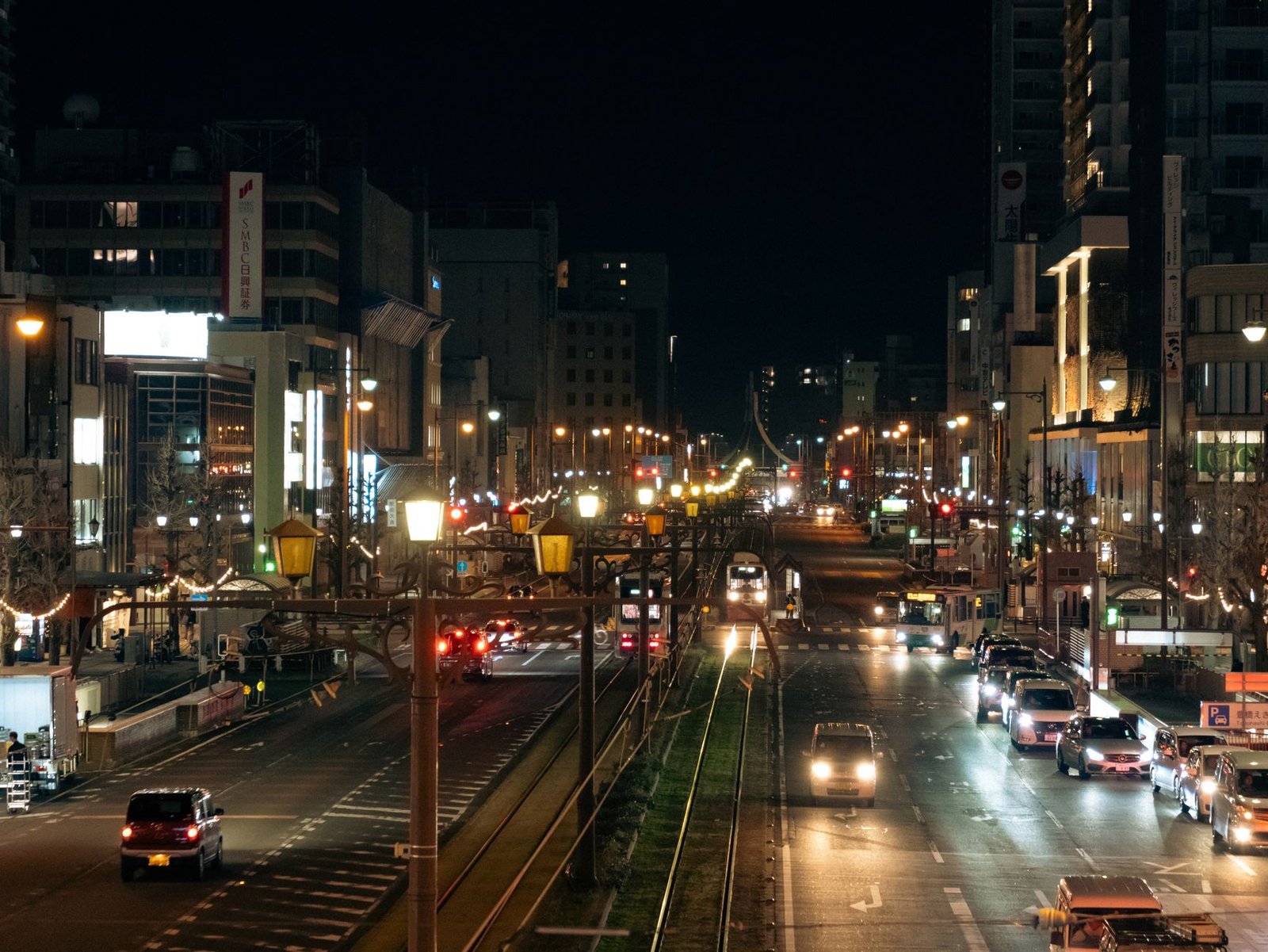
When people talk about the rhythm of after-hours entertainment in the Greater Accra region, their minds often drift immediately to the coastal strips of Osu or the high-energy lounges tucked away in Airport Residential. Yet, if you spend an evening tracing the distinct contours of night life in Amasaman, you quickly realize that the truest charm of an evening out does not lie in mega-clubs or overwhelming crowds. Instead, it lives within the micro-details: the precise temperature of a bottled malt shared under a glowing neon shop sign, the low hum of generators blending with distant highlife tunes, the scent of charcoal-grilled tilapia carrying across the dusty roadside verges, and the unspoken communal understanding that binds regular patrons to neighborhood spot owners. Understanding these small elements transforms a simple evening excursion into a deeply immersive cultural experience.
To appreciate how the nocturnal pulse beats in Amasaman, it helps to examine the gradual transition from late afternoon heat to the cooler, breeze-filled hours of dusk. Unlike the hyper-commercialized nightlife districts found further south, evenings here unfold at a more deliberate pace. Neighborhood gathering spots begin to wake up not with flashing lasers and thumping electronic subwoofers, but with the steady clink of glassware, the shuffling of plastic chairs being arranged around wooden tables, and the familiar hiss of oil meeting a hot pan as local food vendors set up their stations. Small details matter immensely here: the choice of seating relative to the main pathway, the subtle acoustic dampening provided by corrugated zinc roofing sheets, and the welcoming nod from a vendor who remembers your preferred level of pepper spice from a previous visit. It is an environment built on intimacy, familiarity, and a rejection of sterile corporate hospitality.
The Architecture of Local Hangouts and Street-Side Socializing
When evening settles fully over the landscape, the social architecture of Amasaman shifts into high gear. Unlike the sprawling indoor venues typical of East Legon or the glittering rooftop terraces found in central Accra, social spaces here maintain an organic, porous relationship with the outdoors. Open-air drinking spots, local chop bars that extend their operating hours into midnight soup kitchens, and makeshift grill stations form the backbone of the local evening economy. Patrons often lean against the fenders of parked sedans or gather in tight circles on wooden benches, turning any available patch of pavement into an impromptu salon for conversation, debate, and relaxation.
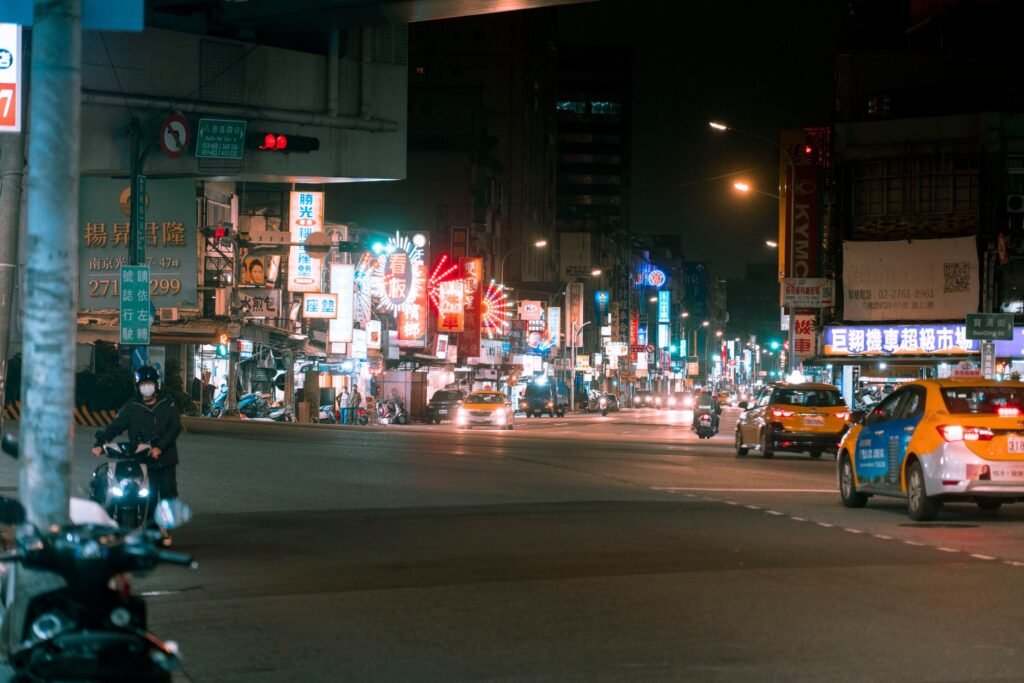
The small details in these environments dictate the entire evening’s comfort. For instance, knowing which corner catches the evening breeze off the surrounding rolling terrain can mean the difference between a sweltering night and a remarkably pleasant outdoor session. Similarly, the local preference for unhurried pacing means that service is treated as a dialogue rather than a transactional rush. Whether you are grabbing a quick drink after navigating the busy traffic corridors coming down from Abokobi or settling in for a longer weekend chat, the ambiance relies heavily on low lighting, unpretentious decor, and the genuine warmth of the hosts. It is a stark contrast to the rigid velvet-rope culture that defines nightlife in upscale enclaves like Airport Residential, offering instead an egalitarian approach where everyone finds an easy welcome.
Expanding the Horizon: Comparing Amasaman with Neighboring Nightlife Paces
While Amasaman retains its cozy, community-centric atmosphere, the broader regional ecosystem offers stark contrasts that highlight just how diverse evening culture can be across the capital district. If you travel eastward toward Ashaley Botwe or navigate the bustling commercial corridors of Tema, the nightlife scales up dramatically. There, you encounter multi-level entertainment hubs, dedicated live band venues, and specialized lounges like those that regularly redefine urban socialization—mirroring the kind of innovative venue openings historically seen when spots like Blow Lounge debuted in Accra to shake up the local bar scene. Yet, even as those eastern hubs push toward high-octane spectacle, the underlying desire for personalized, intimate service remains a constant thread.
Moving closer to the municipal cores, districts like Ablekuma North Municipal and Ablekuma West Municipal present their own fascinating variations of after-dark activity. Here, the nightlife often bridges the gap between the quiet, residential feel of places like Haatso and the bustling street-food culture found closer to Accra Metropolitan boundaries. In these transit zones, weekend evenings are characterized by an energetic cross-pollination of cultures. Patrons moving between neighborhoods look for specific micro-details: dependable power solutions, reliable lighting around parking areas, and clear signage that points toward the best spots for midnight snacks. Meanwhile, historical urban centers like Osu continue to draw crowds looking for high-energy entertainment, occasionally hosting massive events or cultural celebrations akin to the high-profile gatherings that earned cultural icons like Reggie Rockstone awards at the historic Accra Night Life Awards, or hosting unique spectacles like the live boxing entertainment nights introduced at Play Club Accra. Despite the allure of these massive entertainment districts, residents of Amasaman often return home, preferring the quiet authenticity of their local surroundings over the chaotic gridlock of the city center.
Practical Tips for Navigating Evening Socials in Amasaman
Experiencing nightlife away from the heavily touristed urban cores requires an eye for practical nuances that guidebooks rarely mention. First and foremost, mobility is key. While taxis and ride-hailing services operate throughout the region, understanding local routes—especially when returning from adjacent zones like Ablekuma Central Municipal or navigating the northern stretches toward Abokobi—ensures a smooth journey. Drivers familiar with the terrain know which feeder roads avoid the deep nighttime potholes and where lighting is strongest.
Another crucial detail involves cash preference and timing. While digital mobile money transactions are ubiquitous, many smaller neighborhood vendors and grill operators still rely heavily on exact physical currency for quick transactions, especially during peak weekend rushes when network connectivity can occasionally stutter. Carrying small denomination notes prevents awkward delays when purchasing bottled beverages or ordering plates of fried plantains and spicy kebabs. Additionally, dressing appropriately for the local climate makes all the difference: breathable fabrics, comfortable footwear suitable for uneven unpaved walkways, and a relaxed disposition are the ultimate prerequisites for blending in seamlessly.
Ultimately, the true magic of night life in Amasaman lies in its refusal to mimic anyone else. It does not try to replicate the flashing lights of Osu, nor does it attempt the corporate polish of East Legon. Instead, it offers an honest, grounded, and deeply personal evening out where every small detail—from the chill of the drink to the warmth of the greeting—contributes to an authentic experience of Ghanaian communal life after dark.






No one commented yet. Be the first.