

When people across the region talk about the Greater Accra urban sprawl, attention frequently gravitates toward high-end neighborhoods like Airport Residential or the upscale dining spots in East Legon. Yet, look a bit closer at the pulse of the metropolis, and you will find an entirely different kind of energy humming away in places like Ashaiman. Far from being a mere satellite township, Ashaiman possesses a distinct character that defines its after-hours culture. For anyone stepping into this vibrant municipality after sunset, separating local reality from widespread myth is the first step to truly understanding what makes the area tick.
Night life here is raw, unfiltered, and deeply communal. While visitors accustomed to the polished lounges of Osu or the modern food courts of Tema might initially feel out of their element, Ashaiman offers an authentic slice of Ghanaian street culture. However, because of its bustling reputation and high-density neighborhoods, it is often misunderstood by outsiders. Whether you are comparing it to the quieter residential vibes of Abokobi or the sprawling commercial layouts found throughout Accra Metropolitan, Ashaiman stands out for its sheer volume of activity, unpretentious drinking spots, and late-night culinary scenes.
Sustaining the Energy: Bustling Streets and Local Myths
One of the most common misconceptions about after-hours culture in Ashaiman is that it mirrors the sterile, club-centric environments found in major commercial districts. People often hear stories of rowdiness or assume that the entire municipality shuts down early due to security concerns. In reality, the night life here is remarkably resilient and multifaceted. It stretches from crowded roadside chop bars and lively drinking spots to open-air music hubs where highlife, hiplife, and afrobeats blast until the early hours of the morning.
To truly grasp how people unwind here, it helps to look at the broader regional ecosystem. Just as patrons flock to trendy hubs in Ashaley Botwe or seek out weekend entertainment options around Haatso, Ashaiman residents have their own deeply established social circuits. You will find neighborhood spots where friends gather over cold beverages, grilled tilapia, and spicy kebabs. These aren’t elite VIP lounges; they are community anchors where local politics, football debates, and everyday stories are exchanged under flickering fluorescent bulbs and the glow of street food stalls.
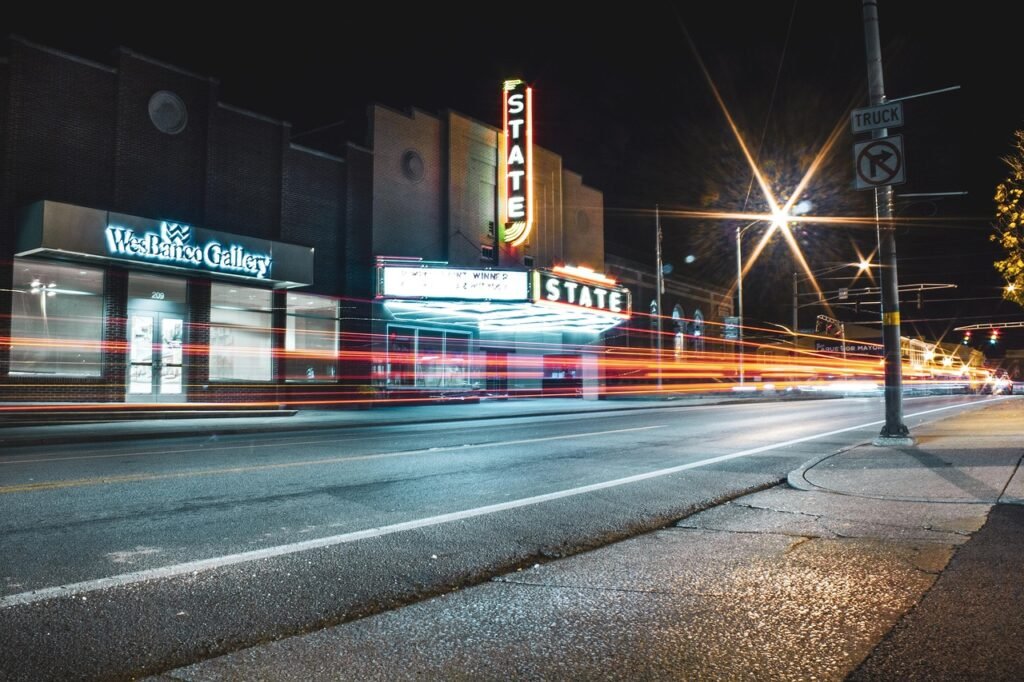
Another myth worth addressing is the idea that Ashaiman operates in a cultural vacuum, disconnected from the capital. On the contrary, trends move swiftly between central hubs and outer municipalities. When a new lounge opens its doors in a major district like Accra, or when innovative entertainment concepts—such as live entertainment pairings or themed club nights—gain traction elsewhere, elements of those trends quickly find their way into Ashaiman’s local watering holes, adapted to fit the working-class budget and neighborhood vibe.
Navigating the Scene: Practical Advice for Night Owls
If you are planning to experience Ashaiman after dark for the first time, a bit of practical wisdom goes a long way. Unlike stepping into a predictable venue in East Legon or grabbing a late bite in Airport Residential, exploring Ashaiman requires a bit more situational awareness and street smarts. It is an energetic, high-density environment where knowing your way around makes all the difference between an unforgettable night out and an overwhelming experience.
First and foremost, transportation is key. While taxis are readily available throughout the evening, traffic patterns and road layouts can shift dramatically depending on the hour. Knowing where to catch a reliable ride back—whether you are heading toward neighboring Tema or navigating deeper into the municipality—will save you a lot of hassle. It is always wise to secure your transport plans before diving too deep into the festivities.
Secondly, embrace the local pace. Ashaiman’s night life does not peak at 9:00 PM; things typically start much later as the day’s heat dissipates and people finish up their work shifts. Street food vendors fire up their grills, music begins to spill out from open-air spots, and the streets become a lively pedestrian promenade. Blending in means keeping a low profile, respecting local customs, and engaging with vendors and locals with an open, friendly attitude. Much like visiting bustling pockets in Ablekuma Central Municipal or navigating the busy intersections of Ablekuma North Municipal, keeping your valuables secure and staying mindful of your surroundings is simply standard urban practice.
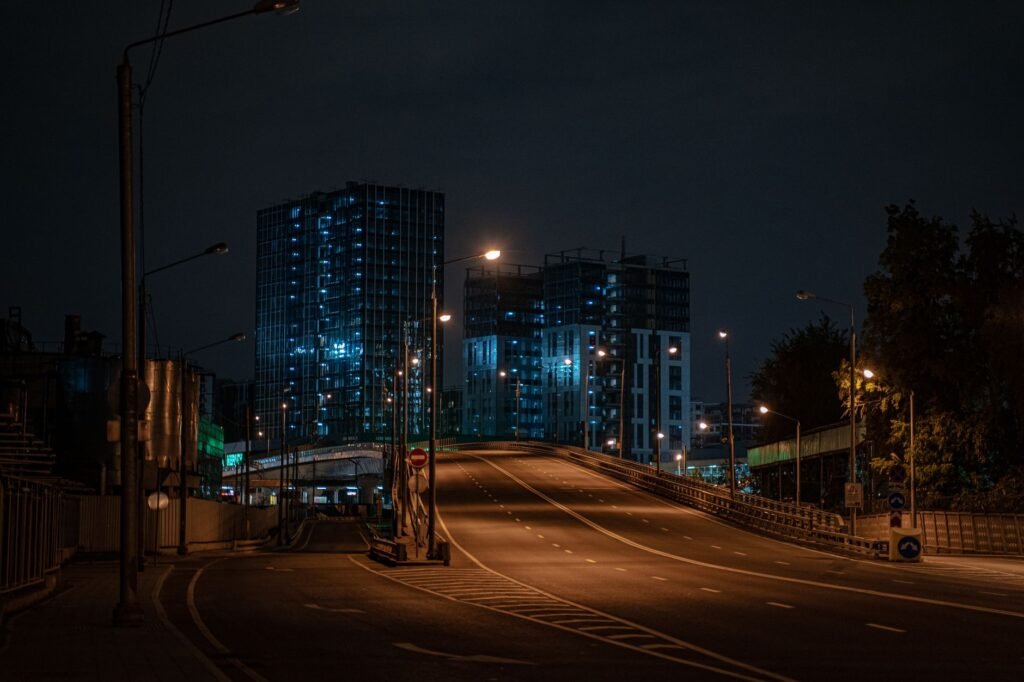
Comparing Greater Accra’s Diverse After-Hours Landscapes
To appreciate Ashaiman fully, it is helpful to contrast it with the vast spectrum of night-time environments found across the region. The Greater Accra area is essentially a mosaic of distinct micro-cultures. If you travel across the municipal boundaries—moving from the residential calm of Abokobi through the commercial stretches of Ablekuma West Municipal and into the heart of Accra Metropolitan—you witness how geography dictates leisure.
In places like Osu, the night life is tailored toward an international crowd, corporate professionals, and tourists looking for cocktail bars, boutique clubs, and fine dining. Meanwhile, neighborhoods like Ashaley Botwe and Haatso offer a more suburban, neighborhood-pub style of entertainment where families and friends gather in relatively quiet settings. Ashaiman sits somewhere entirely different: it is rugged, intensely urban, and driven by the raw energy of everyday working people.
This working-class vitality is precisely what gives Ashaiman its charm. It lacks the pretentious door policies found in some upscale venues, welcoming anyone who respects the local vibe. Whether you are stopping by a roadside joint for a quick drink or joining a crowd watching a late-night street match, the experience is grounded in authentic human connection rather than commercialized luxury.
Final Thoughts on Ashaiman’s Night-Time Culture
Ashaiman’s after-hours scene is a testament to the resilience and creativity of its people. By looking past the exaggerated myths and understanding the daily realities, visitors can uncover a rich tapestry of local culture, fantastic street food, and vibrant social spaces. Whether you are a curious explorer mapping out the diverse nocturnal landscapes of the region—from Tema to Accra—or a local looking to rediscover your own backyard, Ashaiman proves that real night life isn’t about expensive decor; it is about community, music, and the shared rhythm of the streets.






No one commented yet. Be the first.